.avif)


.png)
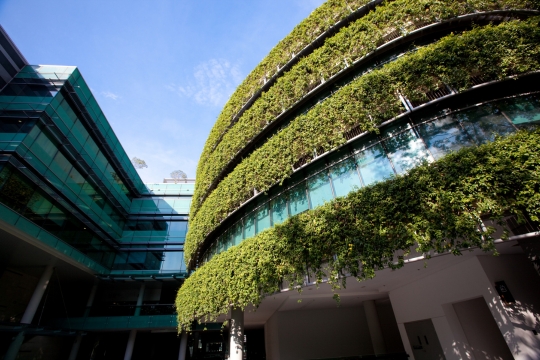
Green building practices are a top priority for developers, designers, builders, code enforcement officials, and project owners these days. The health and preservation of our environment are front and center in construction means and methods. It starts with product manufacturing, carries on into job site management, and continues after project completion with the owner’s energy consumption to keep the building or home operating efficiently.
Sustainable construction is a conscious effort to minimize the negative environmental impacts of construction operations. In this article, we’ll discuss how to effectively implement green building practices in construction, from project inception through building occupancy and beyond.
Understanding the Basic Principles of Green Construction
Green construction prioritizes environmental well-being throughout the planning and construction processes of a building project. The process takes into consideration ethically sourced and produced building products and equipment. It also embraces cleaner building methods that manage and reduce the contractor’s carbon footprint. There are several ways to implement trending green building principles.
Sustainable Design
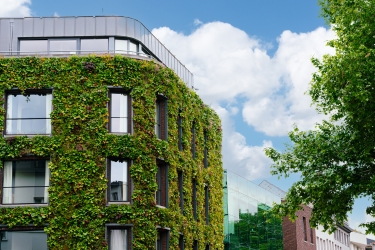
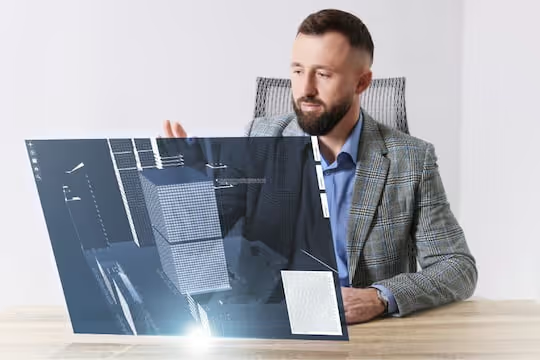
Green building begins with sustainable design, where architects, engineers, and contractors collaborate to research the local ecosystem, environmental regulations, material availability, and energy-saving systems and appliances. Using Building Information Modeling (BIM) in the planning phase reduces waste, uses tools that project energy usage, and saves time.
Ethical Materials Sourcing
An important part of green building is using locally produced materials and equipment to reduce transportation-related fuel emissions. It is equally important to seek out companies that harvest raw materials responsibly and sustainably. An example of this would be forest regeneration following lumber harvesting.
Efficient Construction Practices
With proper scheduling and workflow monitoring, a construction project will progress efficiently, with fewer delays and lower energy use. Project managers with training in green building practices, such as LEED AP certificate holders, have advanced knowledge and practical experience in sustainable building construction methods.
Work Cleanly and Conserve Resources
General contractors are tasked with maintaining a clean work site, including recycling materials and reducing waste. Another responsibility in green building practices is conserving resources such as water, electricity, and fuel. This, in turn, reduces pollution.
How to Implement Green Building Practices in Construction Projects
Integrating green building practices into your construction projects is more than a trend. It is an important step toward lessening your carbon footprint and creating a healthier environment for daily living and working.
Sustainable building practices are strategies used in design, construction, and building operations that intend to mitigate negative environmental impacts. The aim is to conserve resources, embrace energy efficiency, reduce waste, and enhance air quality and indoor comfort. Here are 8 key strategies for implementing green building practices in construction.
1. Energy-Efficient Design and Planning
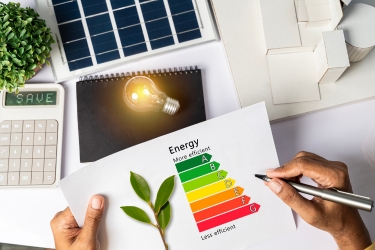
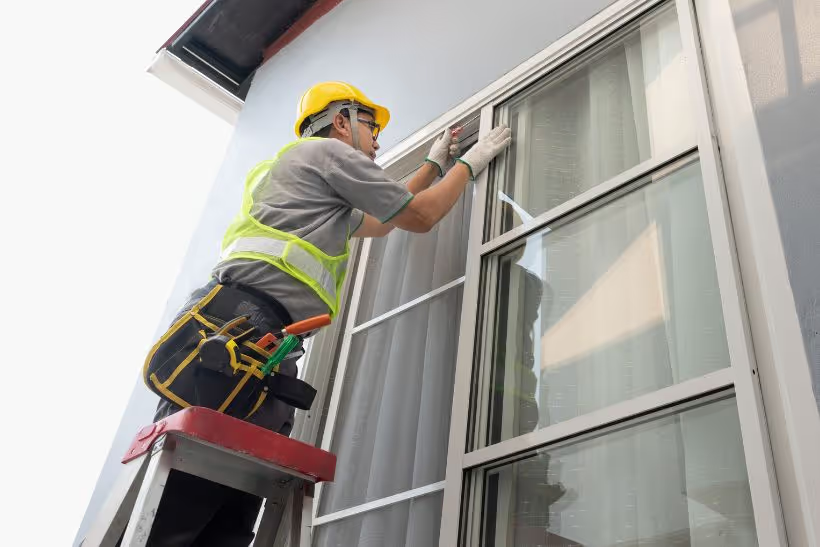
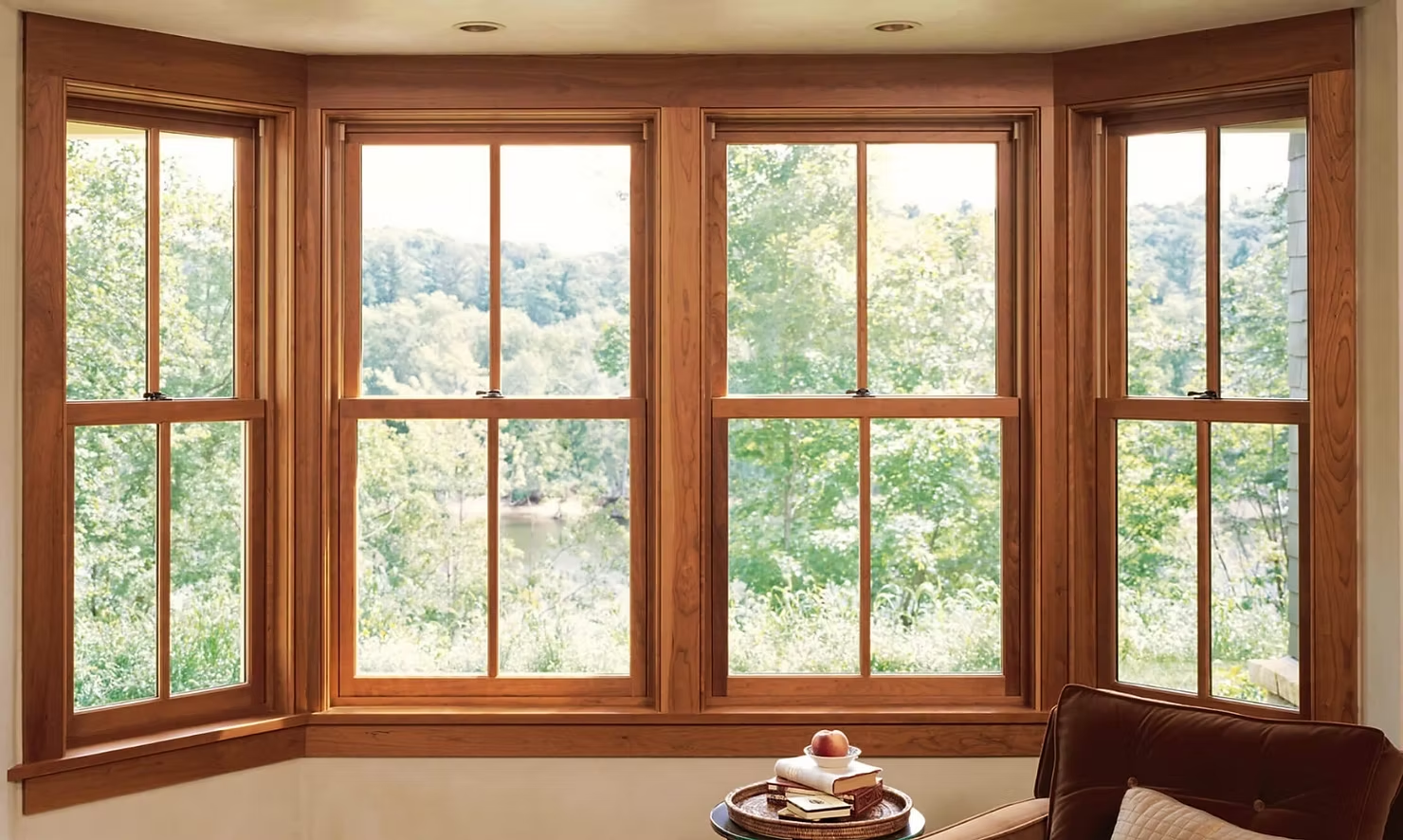
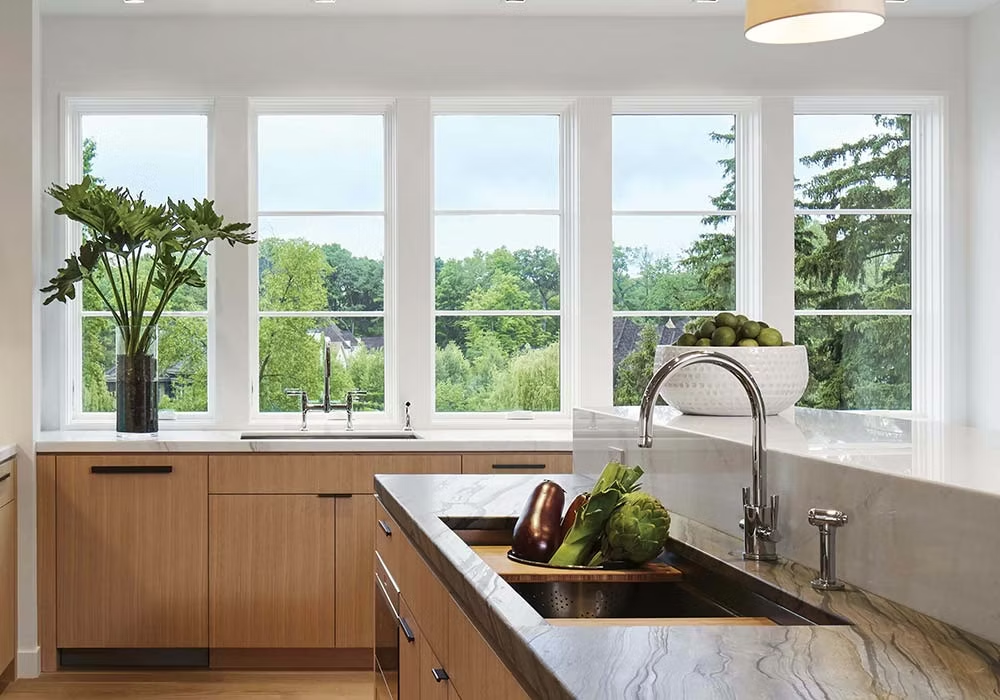
Energy efficiency is the foundation of sustainable building practices. Working with your design professionals to engineer and craft buildings that require less energy to function results in reduced environmental impact and cost savings. One way to do this is to specify high-quality, energy-efficient windows and doors to improve thermal protection.
Choosing the right building envelope materials is a great way to reduce energy costs. In addition to energy-saving windows and doors, there are incredible siding and roofing materials available today that can help to achieve this. And of course, following local codes for selecting the proper insulation is necessary.
Your design professionals and you should familiarize yourselves with the site conditions early on to ensure proper building placement that takes advantage of sun exposure for natural daylight and airflow for good ventilation. Careful building placement and smart landscaping will also prevent soil erosion and conserve water.
2. Protect and Restore the Natural Environment
It can’t be emphasized enough how important it is to follow guidelines for protecting the land and nearby natural ecosystems. This involves researching and thoroughly understanding the project site and everything that surrounds it. Test the soil for drainage, find out if there is a protected watershed nearby, and check with local conservancy groups about anything that is fragile or endangered on adjacent properties.
Once you understand the ecosystem, implement appropriate silt fencing and erosion control measures to protect the surrounding lands and nearby waterways. When construction begins, take measures to minimize noise and other types of pollution to protect both animals and humans.
It is always a good idea to meet with community members and neighboring property owners to discuss any concerns and let them know you will be a respectful neighbor throughout the entire build. Be open to dialogue and willing to compromise on sensitive issues related to the ecosystem.
3. Source Sustainable and Reusable Materials
Green buildings use sustainable materials, many of which are renewable or recycled. Such eco-friendly building materials have a lower environmental impact than traditional materials.
For instance, structural components like sustainably harvested wood for mass timber framing are an excellent choice. Also, steel is a 100% recyclable material with no waste. Bamboo is a rapidly renewable resource that is used in flooring. Low-VOC paint is widely available to reduce chemical off-gassing and provide better indoor air quality. These are just a few examples of the many sustainable materials used in construction.
4. Utilize Green Design and Construction Software
One of the differences between conventional building methods and green construction is the reliance on sustainable design and construction software that maximizes productivity and streamlines the design and construction process. Software programs like BIM give architects, engineers, and construction managers advanced tools for sustainable material selection, efficient energy modeling, and environmental analysis.
By embracing this technology, professionals can make data-driven decisions that optimize building performance. Integrating technology into green construction increases productivity and enables contractors to monitor sustainable design and building practices throughout the project. This often results in cost and time savings while ensuring the desired result is an environmentally friendly building and site.
5. Take Advantage of Certification Programs
There are various green building certifications and rating systems that help contractors focus on and be held accountable for energy efficiency, sustainability, and the health and welfare of building occupants. These certification programs offer training and detailed guidelines to help you achieve your green building goals. By following these programs' practices, contractors can earn a certificate confirming that the project has met sustainability goals. In some areas, these certifications make a project eligible for incentives and rebates.
The most well-known and utilized building certifications include:
- Leadership in Energy and Environmental Design (LEED)
- Living Building Challenge Certificate
- Green Globes
- WELL Building Standard
- Green Star
- National Green Building Standard (NGBS)
Green building certifications are the gold standard for raising awareness about environmental issues and promoting sustainable building practices in the construction industry.
6. Choose Energy-Saving, Water-Conserving, and Smart Appliances and Fixtures
Energy-efficient appliances are designed to use less energy, resulting in utility cost savings and reducing their contribution to climate change. These appliances still perform at a high level. They include dishwashers, refrigerators, washing machines, HVAC systems, and much more. Things like variable speed motors, improved insulation, and smart sensors are key components of energy-efficient appliances. Look for Energy Star-rated and SEER labels when choosing equipment and appliances.
Wi-Fi-enabled smart and programmable appliances are excellent choices for green buildings and homes. These devices are designed to be programmed to go on or off at different times of the day to maximize efficiency and reduce electricity use. They can also be conveniently monitored and operated remotely using a smartphone. The energy and cost savings potential is impressive. Appliances and systems that can be operated remotely or via sensors include thermostats, lighting, security systems, doorbell cameras, and more.
Water-conserving fixtures and appliances, such as low-flow toilets, automatic faucets, light-cycle dishwashers, and programmable irrigation systems, are critical components of green building practices. These technologies reduce water usage and also lower utility costs. Recently, graywater recycling systems have gained in popularity because they recycle water from showers and sinks for non-potable uses, such as lawn irrigation.
7. Improve Indoor Environmental Quality
Improving indoor environmental quality (IEQ) is a sometimes overlooked aspect of green buildings. The idea is to improve the overall quality of life for occupants of the building and home.
This is achieved by using non-toxic building materials, such as low-VOC paints, safe adhesives, solid wood cabinets, and sustainable flooring. Operable windows and exterior air intakes provide adequate ventilation. Whole-house dehumidification systems, generally built into the HCAV system, help to control moisture that can lead to harmful biological growth. Air purification systems and filters are key to good indoor air quality (IAQ).
Another great tool for both a healthier indoor environment and happier occupants is the green living wall that designers often incorporate into communal indoor spaces, such as lobbies and atriums. These systems are sophisticated trellises attachable to new or existing walls and have live plants growing on them. They also have built-in irrigation. Living walls filter carbon dioxide and some airborne pollutants from the environment and give back clean oxygen.
8. Green Site Restoration
As a construction project nears completion, one of the last steps in sustainability is the ecological repair of disturbed land, also known as green site restoration. The intent is to return land that has been degraded or disturbed by construction operations to a natural and ecologically functional state. While it includes landscaping, at its core it is about actively intervening to restore an entire ecosystem.
Ecosystem repair is intended to restore native habitats, enhance ecological services, and improve biodiversity. A general contractor needs to employ professionals familiar with the natural habitats of native plants and how to support wildlife, including beneficial insects. They must also be experts in soil quality, hydrology, and drainage.
It is prudent for builders and site developers to include green site restoration in their contracts with clients, as site repair often begins before an excavator delivers equipment to the site. The team restoring the disturbed land must understand the natural history of the site and its surroundings before beginning work. While this is an upfront investment, it is a key component of green building practices that an eco-conscious and responsible client will benefit greatly from at project completion and going forward.
Benefits of Green Construction
Through sustainable design, construction, and facilities operations, green buildings are reducing energy consumption, lessening carbon emissions, improving quality of life, and conserving water. Many in the construction industry have already embraced green building practices. Creating indoor and outdoor environments that support our health and well-being, the natural ecosystem, and the economy is essential to accelerating sustainable development and providing a better standard of living for everyone. Let’s explore why green buildings are the path to a better future and the benefits they offer.
Prioritizing Health, Safety, and Welfare for All
The US Green Building Council (USGBC) estimates that 1/3 of people have experienced poor health due to substandard living and working environments, also referred to as sick building syndrome. This is because we spend the majority of our time indoors.
Green buildings offer clean air and water, along with less exposure to chemical and biological toxins. Improved indoor air quality reduces workplace absenteeism due to upper respiratory illnesses, stress, and an overall feeling of being unwell. In a healthy and safe work environment, productivity and mood naturally improve.
Better Economy and Profitability
The economic benefits of green buildings shouldn’t be overlooked. Happier, healthier people add to profits by being more productive. Operating costs are lowered by utilizing energy-efficient equipment, appliances, and fixtures. According to a LEED report on the Los Angeles market, green buildings can reduce utility and maintenance costs by 10 to 20% annually compared with conventional construction.
Healthy green buildings and natural outdoor environments are desirable for both companies and homeowners. This increases their value, and it is considered a good return on investment. People are prioritizing health and are willing to pay slightly more for that.
A Positive Contribution to the Environment

Green building practices help to reduce CO2 emissions, energy use, water consumption, and waste. This can be achieved by simply shifting to energy-saving appliances and water heaters, low-flow toilets and faucets, and high-performance light fixtures. On a more intensive level, contractors can source recycled building materials, use technology that tracks energy use and waste, and even switch to electric construction vehicles with zero emissions.
The EPA states that heating and cooling systems account for about 43% of all energy use across the country. This contributes to increased greenhouse gas emissions and air pollution. By installing energy-efficient HVAC and insulation systems in new or remodeled projects, outdoor pollution is reduced and indoor air quality improves significantly, contributing to a better environment for all beings.
With thoughtful planning and the use of design and building software, architects, engineers, and contractors can reduce waste that would otherwise end up in landfills. Landfills pose a significant threat to the environment because they produce greenhouse gases and increase air and water pollution. They also emit noxious odors. As landfill contents deteriorate, they increase methane and carbon dioxide, contributing to climate change. Thoughtful and conservative green construction practices will help reverse the damage caused by job-site waste that ends up in landfills.
Conclusion
Understanding how to implement green building practices in construction is a valuable addition to any company’s resume. Many municipalities and private owners want to align themselves with sustainable environmental practices by incorporating eco-friendly operations and materials into their building projects. This begins with site selection and design and carries through to construction and building occupancy. When planned and conceived mindfully, a green building project will have a positive impact on the natural environment and people’s health for decades.
If you are planning a construction project in the Los Angeles and San Gabriel areas, be sure to reach out to the window and door experts at Arcadia Sash and Door Inc. We are a contractor window and door supply company showcasing some of the most energy-efficient and durable products the industry has to offer. We are a family-owned business with decades of experience in high-performance building envelope products. Contractors who partner with us benefit from the confidence that comes with excellent products and services across every project. We are available to answer any questions you might have about our energy-saving window and door products. Contact us at your earliest convenience to learn more.