.avif)


.png)

Before beginning your next building project, it is wise to create a construction project timeline. A thoughtfully executed schedule will help you understand the various phases of the construction process and how to address unforeseen conditions and delays. This guide is intended to assist you with preparing a construction schedule.
Common Phases of Construction

While not every project is the same, some basic phases apply to most construction projects. You can ignore any phase that doesn’t directly apply to a project. Some phases may be handled by other professionals hired directly by the client. Remember that you must budget time for coordination with these professionals or trades.
Throughout the project, it is important to include time for municipal authorities' inspections and meetings with the client. Periodic site cleaning is also essential to ensure the area is clear and safe for both workers and occupants. These are crucial elements when creating a construction project timeline.
Let’s explore the 9 basic phases you should include in your timeline.
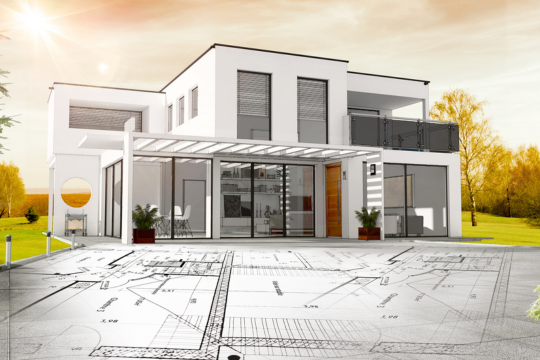
1. Planning, Design, and Construction Documents
Every project begins with a pre-construction phase that encompasses planning and design. In this phase, the client often works with an architect or your design team to conceptualize the plan, based on a list of priorities, goals, and aesthetics. If required, this is also the time for an engineer to prepare a site survey. The pre-construction process includes:
- Analysis of site and existing conditions
- Deciding on a realistic budget and securing financing
- Schematic design
- Final design
- Construction documents for bids and permits
- Meetings with subcontractors and suppliers
- Securing permits
- Researching the availability of products and materials
2. Sitework
Suppose the project requires excavation for a foundation. In that case, this phase is when you contact the utility companies for what is called Call Before You Dig (CBYD) so that you don’t disrupt existing electrical, gas, and water/waste lines.
Next, you will find a location for the dumpster and sanitary facilities. You will likely also have to coordinate with your electrician and the utility company for temporary power.
After everything is in place, you will start clearing the site and digging for the foundation.
3. Foundation Installation
The foundation of a building, house, or addition is critical for the project's stability. This is the time for placing forms and concrete for footings, foundation walls, and slabs on grade. These will need to be waterproofed, often by a different trade.
You will have to call for an inspection. Once the foundation is approved, it is time to backfill and rough-grade the site.

4. Framing and Envelope
This construction phase is exciting as the project begins to take shape. The exterior skeleton and envelope of the building will eventually protect the occupants from the elements and keep them safe and secure. The interior floors and walls make the space unique and functional.
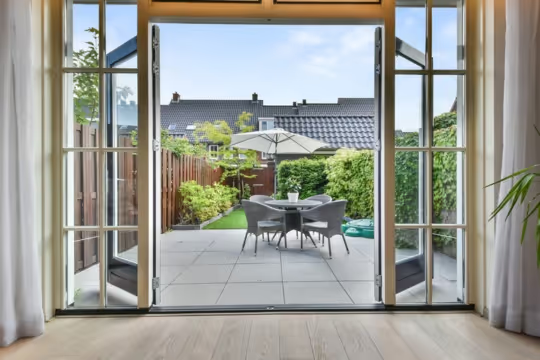
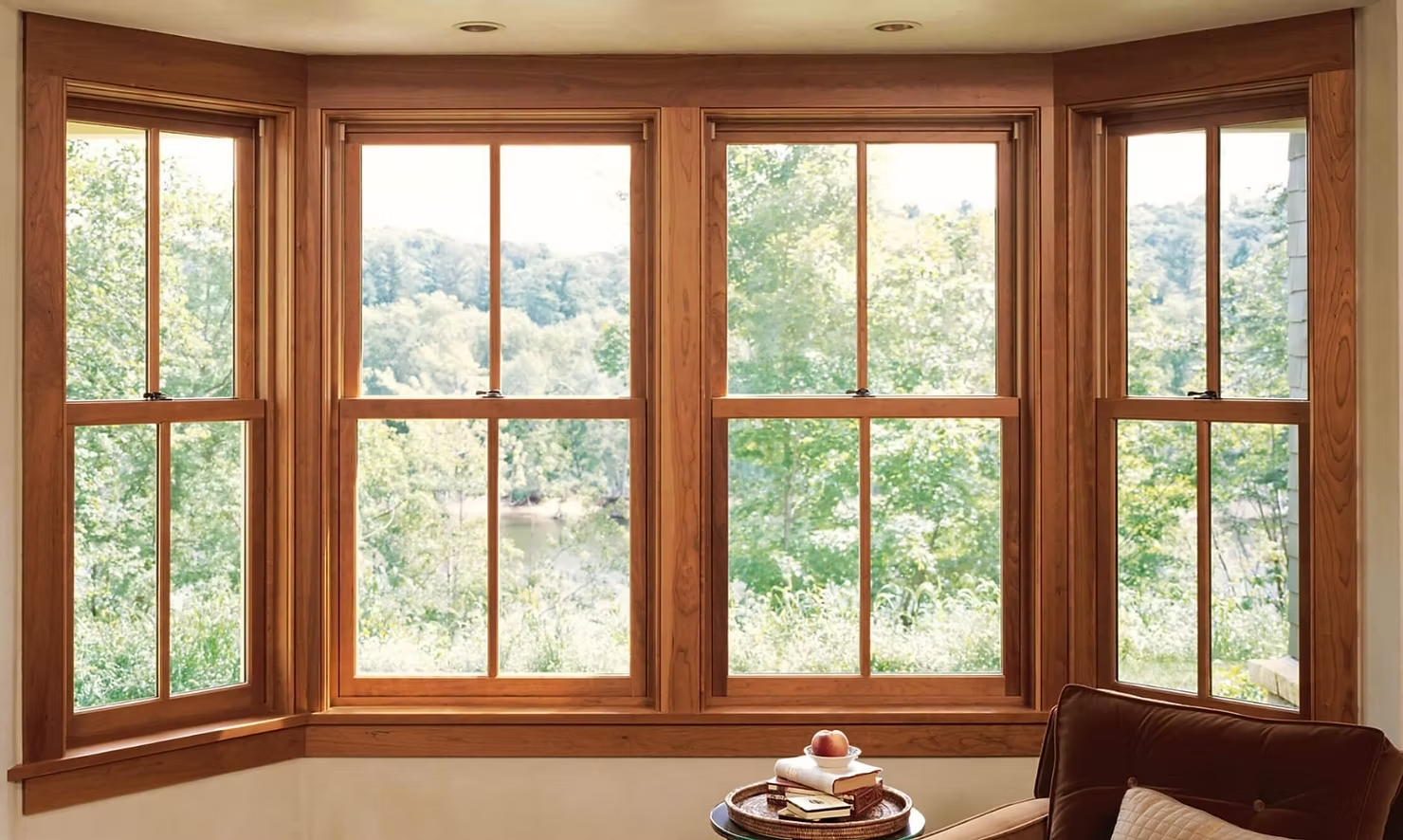
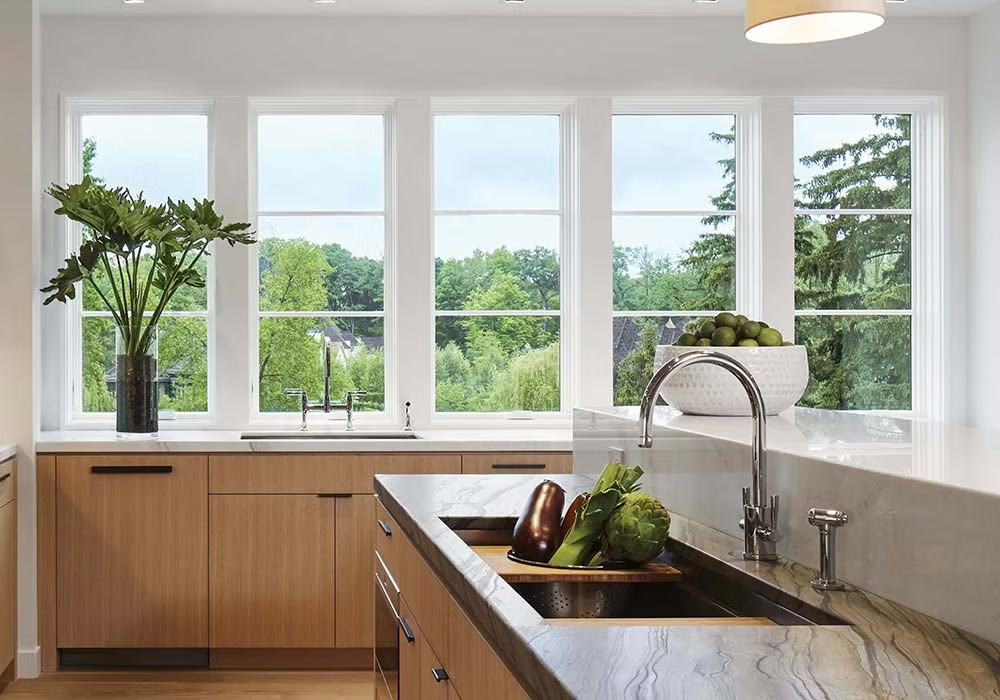
A critical part of this process is working closely with a knowledgeable supplier who will recommend the right energy-efficient windows for contractors that meet current codes and standards. The windows and doors are important for securing the job site.
Once the windows and doors are in place, thermal barriers, such as siding, roofing, and insulation, are installed.
5. Mechanical System Rough-ins
As soon as the house, building, or addition is sealed from the elements, the subcontracting trades will install the plumbing, electrical, and HVAC base systems concealed within walls and floors.
6. Interior Finishes and Millwork
Next is hanging drywall on walls and ceilings. This step must include taping, applying compound, drying, and sanding time. Flooring installation also requires time when tile needs to be grouted or hardwood floors need finishing.
Once the drywall installation is completed, trim, casings, and moldings are installed. This is followed by priming and painting surfaces or hanging wallpaper. At this stage, you may need to budget time to coordinate with a client’s interior decorator.
Kitchen cabinets, bathroom vanities, and custom millwork or closet inserts will nearly complete the interior finish work. Countertops will be the final step.
7. Fixtures, HVAC, Lighting, and Appliances
You are hitting the home stretch at this point. There will be a lot of subcontractors on the job site, so scheduling has to be precise so they don’t interfere with one another.
The plumber will install toilets, sinks, showers, tubs, and valves. The electrician needs to install all the lighting fixtures, switch plates, and outlet covers. Security alarms, fire protection systems, and innovative technology must also be finalized. Thermostats and appliances need to be delivered and hooked up.
After these items are all in place and checked for proper operation, your workforce will touch up painted surfaces, seal gaps, and double-check door and window hardware. A final cleaning will also take place.
8. Landscaping
Landscaping should be left for last, after the heavy vehicles and dumpsters are gone. This phase of the construction project includes:
- Topsoil with final grading and leveling
- Installation and testing of a sprinkler system
- Hardscape, such as driveways, patios, and walkways
- Planting of grass, trees, and shrubs

9. Final Inspection and Handover
Once the project is completed, you, the architect, and the homeowner will do a walkthrough to create a punch list of things that still need to be addressed. After creating the list, your team will make any necessary modifications to satisfy all parties.
This is also the time to obtain a Certificate of Occupancy from the town or city. Gather all the signed warranties from suppliers and installers of building envelope systems, fixtures and appliances, and mechanical systems to present to the client.
You will likely have to schedule a locksmith to change the locks and keys for the home or building owner. This is important for the owner’s security.
How to Prepare a Construction Schedule
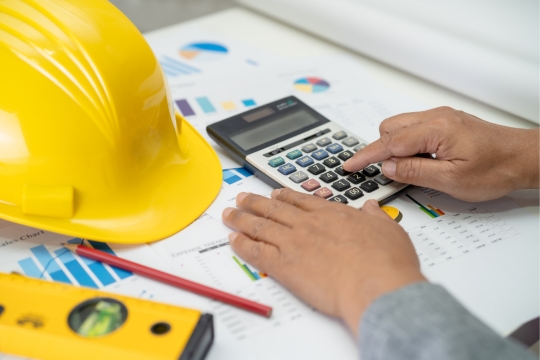
To create a construction project timeline, you must execute a written or visual plan showing the coordination and timing of all activities. This is the first step to proper construction management. It helps keep your team on schedule and within budget.
Before starting the plan, gather all the information you must address. This includes the project location, names and contact information of all key parties, budget, certificates of insurance, licenses, and the owner’s anticipated move-in date. Ensure you have printed copies of all documents, including construction drawings and permits, that must always be on-site.
Now it is time to lay out the plan. It can seem daunting, and you are likely concerned about delays, change orders, unforeseen conditions, and inspection snafus. Yes, these things happen, and you must modify the schedule throughout the project. However, that would provide complete transparency to the client, which would be appreciated.
There are various methods and tools for preparing a construction project timeline. To make this run smoothly, it is a good practice to use a scheduling software program. Let’s explore the methods and tools available that might best meet your needs.
Construction Timeline Methods
Critical Path Method (CPM) is a management technique that uses software or an Excel spreadsheet to estimate project steps and duration. Target dates for each phase are entered and adhered to as closely as possible.
Last Planner System (LPS) is a method that brings all parties together to discuss time frames for executing the work. This is more of a conversational tool for smaller projects with a shorter deadline.
Line of Balance (LOB) takes into consideration labor crews and productivity rates associated with their specific tasks. It works well for jobs that use crews to complete repetitive activities more efficiently.
The Program Evaluation and Review Technique (PERT) projects the duration of each activity while also factoring in delays and risks upfront. This method uses an easy-to-understand visual chart.
Q Scheduling involves creating a timeline bar chart or graph that lists all phases and activities with an estimated start and completion date for each. This clearly indicates projected goals and activity overlaps, making scheduling very clear to you and the client.
Tools for Creating a Project Timeline
Building Information Modeling (BIM) is a tool incorporated into CAD drawing programs. The drawings gather information about materials, products, and tasks by quantity and time. BIM basically builds the project virtually in what is called 4-D modeling, so you can see the building process as it evolves.
Excel Spreadsheet is excellent for creating your own program schedule by line item. The project manager is required to design the worksheet from scratch. However, you can use that as a base for future projects once it is done. Most clients are capable of understanding basic Excel spreadsheets.
Gantt Charts are basically calendars that allow the project manager to visually arrange personnel, tasks, and resources according to projected deadlines. They use the bar chart method so that each line item can be viewed separately and in relation to other tasks. This is one of the most popular Construction planning tools.
Time-scaled logic Diagrams (TSLD) are a condensed snapshot of the project plan, basically taking the project phases and assigning a timeline to each. This tool is easy for all parties to read and understand. However, the lack of detail can make rescheduling tricky. You can make a TSLD as detailed as you want, making it a flexible tool.
Steps to Creating a Construction Project Timeline
Now that you have a basic understanding of the construction process, scheduling methods, and tools, we’ll cover the steps you can follow to create a plan.
1. Gather Information
Collect and write information on all parties, including clients, designers, subcontractors, town officials, and suppliers. You also want to identify your own team of managers and crew. Assign the job a project number and designate a main contact person.
2. Identify Tasks and Dates
Break out each activity by scope of work and its projected completion deadlines. This includes delivery dates for materials and products.
3. Choose a Planning Tool/Method
The next step is to actually put the plan on paper or into a visual representation. It doesn’t matter if you use a calendar or a more sophisticated software program to help you execute the plan. Creating a visual is extremely helpful for seeing the complete picture.
Once everything is spelled out visually, you will want to organize the activities so that things run smoothly without too much overlap. Be sure to factor in enough time for issues that might arise that need to be addressed.
Organize Forms and Requisitions
Part of the construction process includes keeping detailed records and getting paid promptly. You want to schedule site visits, meetings, and invoicing periods as part of your plan.
A good way to record site visit observations and meeting notes is to use either a field report form or your phone to record discussions and verbal notes, with the client’s permission. Take photographs of every step of the building process. Good records are essential for your protection.
Set up dates or milestones for billing the client, using a requisition for payment form. Mark the timeline with these dates so you are getting paid throughout the project.
Work with the Best
Creating a construction project timeline is one of the most important steps in the building process. It is as important as building good relationships and working with the best suppliers and installers in the industry.
When it comes to energy-efficient window installation, choose the company that offers superior products and qualified craftsmen. Arcadia Sash and Door Inc. is a reliable family-owned company with the experience to complement any new construction project.