.avif)


.png)

One of the most important aspects of a construction project leading to a successful outcome is productive and ongoing client communication. Designers, project managers, and stakeholders need to be kept in the loop and well-informed from project inception through to substantial completion. Open communication ensures that mistakes are avoided, productivity timelines are met, safety practices are ongoing, and financial goals are achieved. Knowing how to communicate well is the first step in building trust with homeowners and commercial building owners.
There are several ways to implement efficient open lines of communication during construction with all parties involved, especially clients. In this article, we’ll explore 6 tips for how to communicate effectively with construction clients. We’ll also explore the benefits of excellent communication.
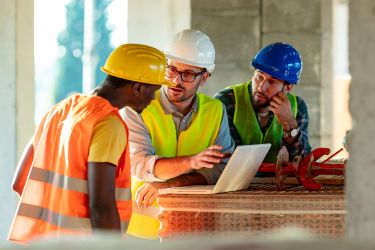
6 Tips for Communicating Effectively with Construction Clients
When thinking about how to communicate effectively with construction clients, there are several tools you can use and preferred industry practices to follow. These tips will help you on your journey to implementing the best communication skills with the most positive outcomes.
1. Begin Talking at Project Inception
It is beneficial to have an in-person or virtual meeting with your stakeholders before site clearing begins, and as early as the design phase if you are included within that time frame. You want a clear picture of the budget expectations, the progress timeline, and the responsibilities.
You also want to introduce the key players and point persons to one another. It is wise to assign personnel from all disciplines, including the client’s representatives, to ensure direct, consistent interaction and communication. This builds a connection and a basis for trust and transparency. Make sure you have someone on your contact team who can take detailed meeting notes. Preparing reports will apply to all meetings moving forward. Future meetings should be scheduled and adhered to.
Once all aspects of the project are discussed and agreed upon, prepare a report summarizing the discussion and issue it for review by all. This allows any discrepancies and unanswered questions arising from misunderstandings prior to the start of construction to be ironed out, including errors in scheduling and budget.
2. Train Your Team
Communication is a skill that needs to be nurtured through proper training. Whether you are teaching a team member appropriate behavior, such as being courteous and level-headed, or you want to hone your own skills, education is a very useful tool.
You might tap the experience of senior partners and human resources personnel, or hire an outside consultant who specializes in this subject. Many insurance companies offer online and in-house courses that address the nuances of good communication. They do this to help prevent errors that could lead to lawsuits. Take advantage of your carrier’s offerings.
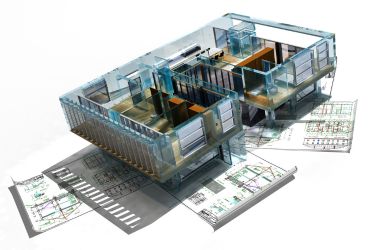
3. Embrace Building Information Modeling
Building Information Modeling (BIM) is a 3D visualization software tool that is highly collaborative. It allows architects, engineers, and general contractors to generate and manage digital content to ensure the accurate appearance of a building, as well as to track every component of the structure. Construction managers use BIM to keep track of materials and the project schedule.
For instance, the software allows you to easily calculate the number of fenestration components and to pinpoint a supplier’s windows and doors service areas. The technology is so detailed that it provides proactive project updates on materials.
Construction clients can see a clear representation of the building through 3D models. They can also follow construction progress and use this information to inform facilities management. BIM software increases efficiency in both the design and construction phases. It is an incredible tool for quick decision-making between the contractor and the client.
4. Establish a Project Portal
A project portal is a cloud-based repository where information is deposited and stored for anyone granted a password to access. Team leaders, designers, and clients can log in to the platform to review stored and updated drawings, BIM information, construction progress, and key communications in real time. You will also make contact information for key personnel available.
Meeting invitations can be posted on the portal. Change orders, payment requisitions, and building inspection dates are all there for remote access. This replaces the need to meet in person or use mail for important document signing, which makes sense in the world of e-signatures.
5. Be Open-Minded and Patient
It isn’t unheard of for clients to be demanding, especially when they control the purse strings. While you may be the expert in construction means and methods, the client has the upper hand and the final word, as long as that doesn’t pose a threat to job safety or structural integrity of the home or building.
So, how do you communicate effectively with construction clients who might seem difficult?
First, document every transaction and conversation for your own records. Second, you need to be a good and patient listener. Oftentimes, listening with an open mind and responding professionally are the best ways to keep the dialogue going without making your client feel disrespected. And last, ask for constructive feedback. This step shows your client that you value their input. Leading with a calm voice and relaxed body language is paramount to improving communication and keeping a project on track toward successful completion.
Keep in mind that you are allowed to establish boundaries from the start, as are your clients. This can be as simple as not exchanging personal contact information. It all depends on how well you know the project owner.
6. Stick to a Meeting Schedule
Throughout the construction process, it is necessary to have jobsite and/or virtual progress meetings. This is a must for keeping everyone informed and for addressing issues. In addition to daily meetings with your crew, it is recommended that construction meetings with all decision-makers on the team be held at least once a week or monthly.
You may encounter a supplier issue that needs to be discussed ASAP to avoid project delays. Invite everyone to contribute ideas and solutions for resolving the problem quickly and creatively. It is always rewarding for all parties when their input is valued in problem resolution.
Benefits of Good Communication with Construction Clients
As a cornerstone of any construction project, effective communication is critical to success. Now that you understand how you can improve communication, let’s explore how these practices and tools will benefit your project's outcome.
Productivity and Project Management Efficiency
With constant and open communication with your clients, the construction process is streamlined. This increases productivity, reduces errors, keeps everyone on schedule, and limits cost overruns. With effective communication, project managers can operate efficiently.
Expeditious Problem Solving
For ideal outcomes, problem-solving is a team effort. As the saying goes, “It takes a village...”When managers, workers, suppliers, and building owners collaborate and maintain an ongoing dialogue, issues can be identified and addressed before they become costly problems.
Transparency and Accountability
Utilizing these communication tips and tools encourages accountability and transparency. While some mistakes are inevitable during construction, open discussion and proactive problem-solving are more positive than placing blame. Taking accountability and being transparent leads to honest, timely solutions to problems.

Reduced Costs
Efficient communication between contractors and their clients is essential for keeping project costs on track. Frequent review and discussion of project expenditures and budget are pivotal for managing your client’s fiscal expectations and fostering trustful relationships.
Unforeseen conditions are going to arise, such as product unavailability, increased tariffs, and failed inspections. These situations often result in change orders. Change orders sometimes come with a price tag. With open communication, you and your client can work together to find the best solution that keeps costs in check.
Fewer Claims
The last thing any general contractor wants is to end up in a legal battle over miscommunication. Establishing a meeting schedule, creating a project portal, and discussing potential project deficiencies early are good practices for preventing insurance claims. It is also helpful to consult with your legal team and insurance carrier when preparing a Contract for Construction. They will advise you on proper wording for clauses related to mediation and termination. Make sure your client has an easily accessible copy to review so they are aware of any language related to conflict resolution.
Better Reputation
Your company’s reputation determines how well you advance in your career. Ineffective communication can lead to negative client reviews that damage your reputation. On the other hand, understanding how to communicate effectively with construction clients is paramount to maintaining a good reputation within the industry. This, in turn, will bring more work your way.
Conclusion
Good communication skills and tools are essential for fostering amicable and productive relationships with construction clients. In fact, communication is key for all members of the design-and-build team. By training your managers to be professional and transparent, you will make it easier for clients to stay informed. Using tools like BIM and portal platforms is a great way to ensure everyone stays up to date on everything related to the project. And don’t overlook the importance of regularly scheduled job site and remote meetings for face-to-face conversations. Eye contact, tone of voice, and body language say as much as the words themselves when it comes to excellent communication.
When preparing your next construction project bid, reach out to Arcadia Sash and Door Inc. for assistance with window and door estimates. We are always standing by to address project inquiry methods for contractors. Our company offers superior craftsmanship and the highest-quality products to ensure the best project outcomes. We are a family-owned business in the Los Angeles County area with decades of experience providing exceptional building products. Contractors who partner with us can expect the best products and delivery services across every project. Contact us at your earliest convenience to learn more.