.avif)


.png)

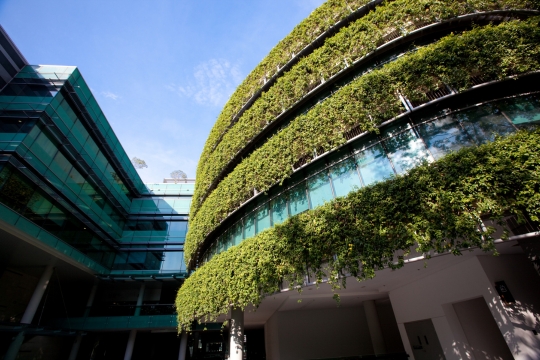
In today’s environmental and economic climate, general contractors need to choose sustainable and eco-friendly building materials. These include products that reduce embodied carbon in construction, such as locally sourced and recycled materials that help minimize greenhouse gas emissions.
It is equally important to be transparent in material selection by disclosing Environmental Product Declarations (EPDs) and Health Product Declarations (HPDs) when addressing concerns about the health, safety, and welfare of the earth and its occupants. This is especially true when a contractor is tasked with helping a client earn LEED v5 materials credits for a green building certification.
In this article, we’ll take a look at 10 eco-friendly building materials that are trending in 2025 and explore their benefits in relation to their environmental impact. All of these will reduce your carbon footprint to some degree in an era of climate change.
1. CO2 Mineralized Concrete

Concrete is one of the most important components in construction, from foundations and exterior walls to floor slabs and hardscape. Traditional concrete mixtures have a large amount of cement, which contributes substantially to carbon emissions. CO2-mineralized concrete utilizes technology that captures CO2 during the manufacturing process and injects it into the concrete mixture. The process causes a reaction with the calcium oxide in cement to form solid calcium carbonate minerals.
As technical as it sounds, this process is efficient and ultimately enhances the strength and durability of the concrete, while reducing its curing time. Not only is this cost-effective, but it also offers a promising method for reducing the carbon footprint by capturing and permanently storing CO2. This type of concrete provides EPD certification credits for your LEED or green building project.
2. Rammed-Earth
The method of creating walls with rammed earth has been in practice for thousands of years. While it isn’t new, it is gaining traction as a sustainable building practice in the 21st century. If available, the materials are sourced right at the construction site. This typically occurs during the excavation process for a foundation.
Essentially, you are harvesting natural materials, including soil, clay, sand, and gravel. These substances are sometimes reinforced with lime or a small amount of cement. The mixture is moistened with water to make it pliable. It is then rammed or compacted into formwork that molds it into the desired shape for use as walls and other building enclosures. Once dried, the forms are removed, and you have a solid, durable, and energy-efficient mass or wall.
The benefits of the rammed-earth building process are numerous:
- Repurposing of existing, local materials
- Low embodied energy
- Offers high thermal mass for passive heating and cooling
- Fire resistant
- Customizable
- Long-lasting
3. Mass Timber and Cross-Laminated Timber
Wood is currently pushing the boundaries for larger construction projects. Mass timber has proven to be a low-carbon alternative to concrete and steel for large spans. Timber is ideal for homes with wide-open floor plans and mid-rise residential buildings. In fact, some building codes and municipalities allow for timber buildings as tall as 18 stories.
Mass timber, also referred to as cross-laminated timber, is posts and beams that are prefabricated to precise measurements in a controlled facility. This saves energy and reduces waste by eliminating the need for excessive cutting on-site. This is an excellent time-saver for construction. It also promotes better job site safety.
When forests are managed properly, wood is a renewable resource that retains captured carbon during its growth. Sustainably farmed and harvested trees can be replanted with new seedlings. There is no debating that trees are suitable for the environment and provide the clean air we breathe daily. Another bonus is that wood is a natural, attractive, and comforting material. This is why architects are so pleased to have the newest technology available for the manufacturing of mass timber.

4. Hempcrete
Hempcrete is a building block composed of hemp fibers and lime. This is moistened with water and formed into stackable blocks that resemble concrete masonry units (CMUs). Once dried, the blocks are stacked in a brick laying pattern with the use of mortar, just as you would CMUs. While freestanding walls can be constructed of hempcrete, it is primarily a non-load-bearing product used as a solid wall filler for both its stability and insulation qualities. It also offers excellent sound attenuation.
Hempcrete doesn’t normally shrink or expand, so you won’t experience shifting or cracks. At the same time, the material is breathable. This high-performance material is lightweight, making it easier to work with than CMUs.
As hemp grows, it absorbs more CO2 than it releases once it is formed into blocks. For this reason, hempcrete is an eco-friendly building material with a carbon-negative lifecycle. It is a good choice for projects aiming for lower embodied carbon standards. It is also non-toxic, earning it better HPD credits over certain synthetic insulation materials.
5. Mycelium Insulation
While we are on the topic of plant-derived building materials and insulation, we have to give a shout-out to mycelium. This vegetation is a type of fungus that primarily grows beneath the soil or on the surface of tree bark. Unlike the common mushrooms we see above ground, it has a root system that branches out in many directions as the fungi above it grow. Mycelium is sturdy and transports vital nutrition to its fruitbodies or spores above ground. So, how is this a vital part of sustainable construction practices?
After collecting these fibers or root systems, they are dried and used as insulation in place of plastics and foams. This innovative biomatter is commonly found in hollow-core doors, window frames, flooring, and sometimes as structural elements.
Mycelium is an incredibly versatile building material that is 100% compostable after its useful life as a construction material. It comes from the earth and is returned to the earth, never ending up in a landfill.
6. Sheep’s Wool
With energy costs on the rise, homes and buildings must be well-insulated. Sheep’s wool is a 100% natural material that is explicitly designed to keep the animals warm and dry. Sheared sheep’s wool will do the same when used in construction. This material not only insulates and protects from the cold, but it also regulates humidity levels, absorbs noise, and acts as a natural air purifier. You know this works when you wrap yourself in a warm wool blanket on a damp, cold winter day.
Wild sheep naturally shed their coats after winter by scratching against trees, allowing them to regulate their body temperature in the summer. Domesticated sheep require mechanical shearing to ensure they stay calm, clean, and healthy. That excess wool is used for various clothing options, as stuffing material in upholstery, as bedding, and in building insulation. Sheep’s wool is used to fill the cavities between wall studs and floor joists, providing insulation and deadening sound. The air pockets in the wool add to its R-value.
Sheep’s wool is a renewable resource that causes no harm to the animals when it is removed, resulting in zero waste. The wool grows back as the seasons change, and the process repeats itself.
7. High-Performance Windows and Doors
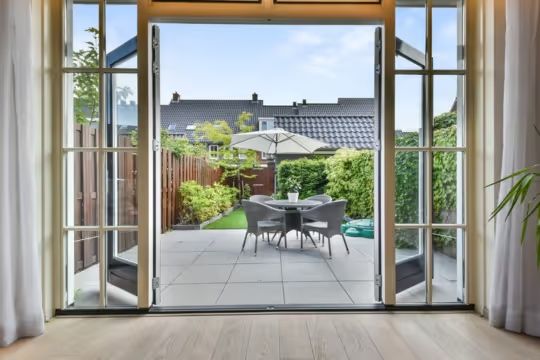
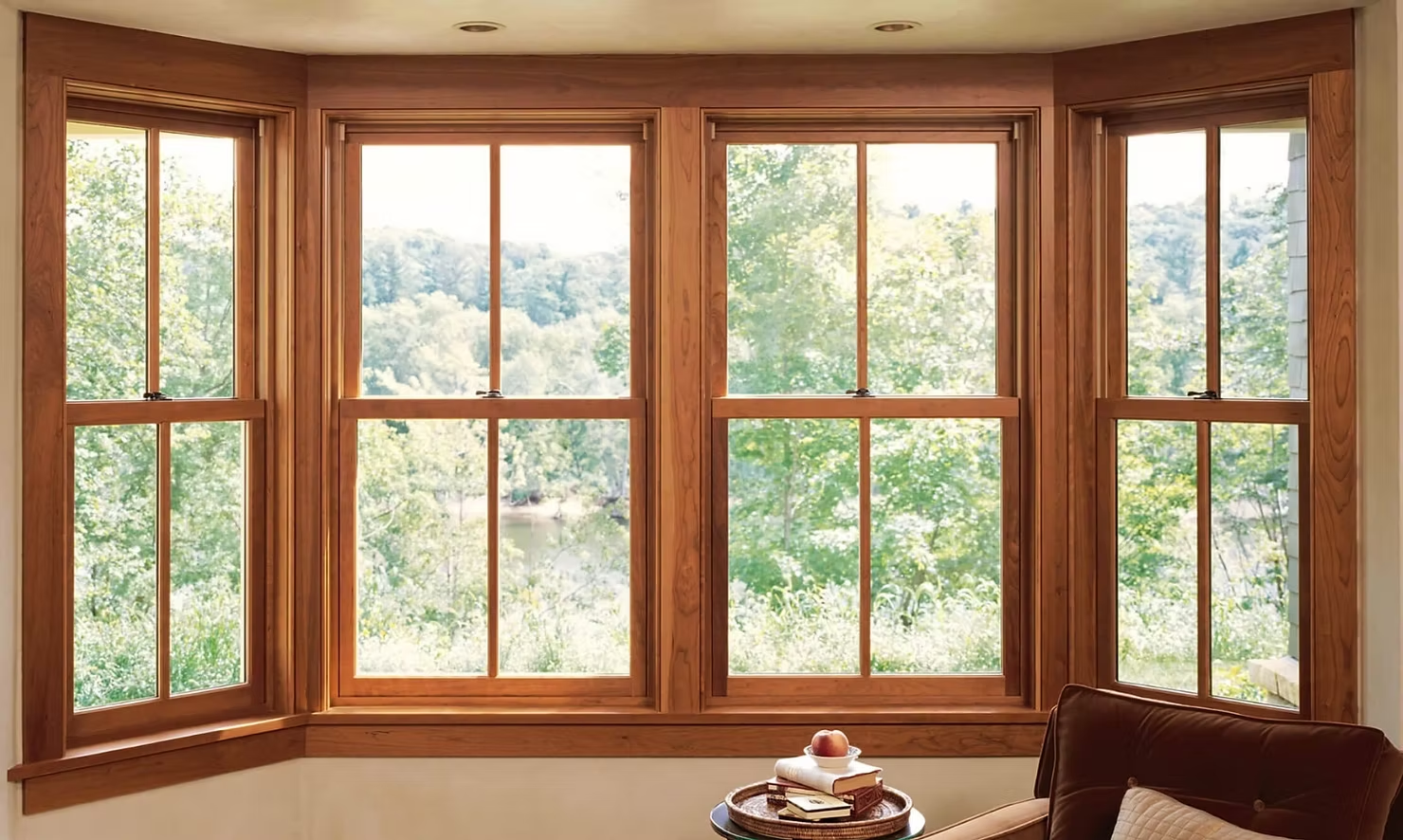
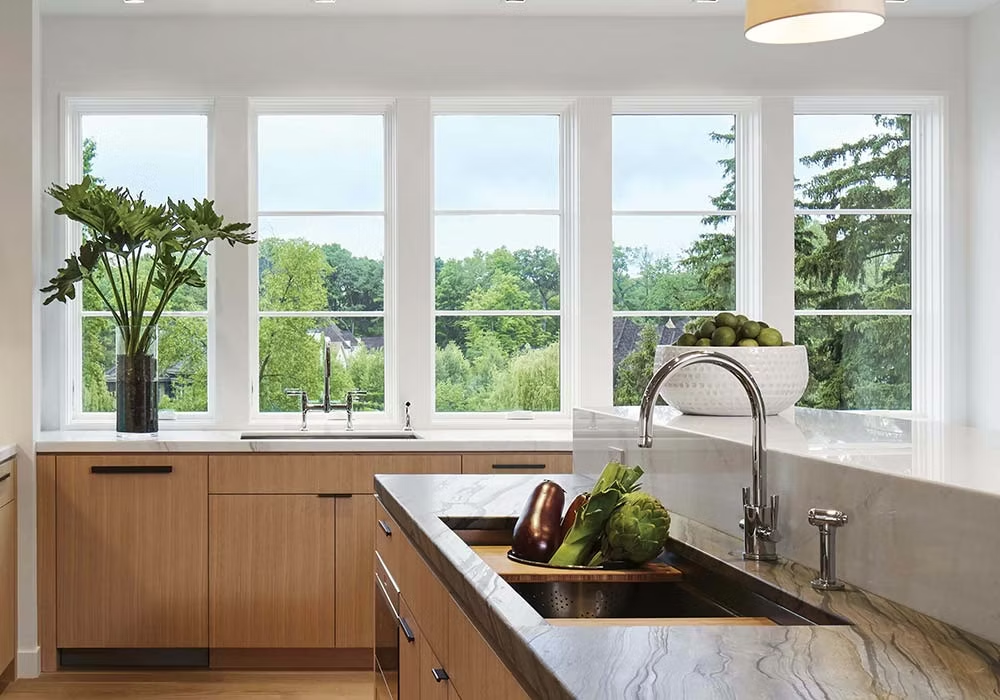
The technology and manufacturing of windows and doors continue to improve in their ability to provide energy-efficient home and building enclosures. Frames are made with durable materials, such as fiberglass, vinyl, and aluminum, that won’t warp, shrink, or crack. Glass options include Low-E coated, argon gas-filled, and dual- or triple-pane designs, designed for both energy efficiency and noise reduction.
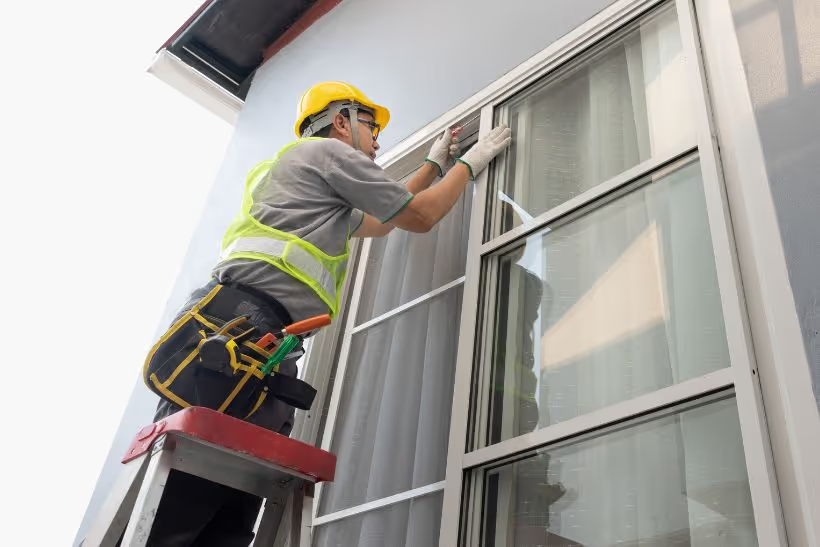
Investing in durable windows for safe installation, thermal integrity, and sound deadening is one of the best ways to contribute to sustainability. Long-lasting and well-constructed windows help reduce utility costs by contributing to comfortable indoor air temperatures while allowing natural daylight to enter the home.
8. Recyclable Materials
There are many eco-friendly building materials now that fall into the category of recyclable. There may be no more sustainable approach than reusing or repurposing items in construction. Many things that can be reused, and we will discuss three of the most common in the industry today.
Recycled Steel
Steel is 100% recyclable and can be repurposed indefinitely. It is likely the most recycled material in the world today. You can specify and purchase steel framing components, exterior cladding, roofing panels, and more that have been fabricated from steel that has been returned to its original state and reimagined into something entirely new for another use. Steel is a highly customizable building resource.
The construction industry is one of the biggest consumers of steel. This material retains its strength and durability even after being recycled. Its limitless recyclability makes it a cornerstone of circular economy fundamentals in the construction sector. It is estimated that repurposing steel uses 75% less energy than producing new steel building components from mined ore.
Reclaimed Wood
If you or your clients are seeking rustic charm and a way to enhance a new home, consider sourcing wood timbers, flooring, siding, and doors from a specialty mill that reclaims wood from older buildings undergoing renovations or demolition, such as barns and churches. This offers the opportunity to give the building a distinctive character that new lumber can’t match.
Older wood structural components are generally larger and more dimensionally stable than our newer framing lumber. Salvaged wood flooring and wall paneling are also stronger and noticeably attractive with tight grain patterns. Repurposed wood doors are solid and exude classic styling for a traditional interior look.
Using reclaimed wood for a project has a lower environmental impact by reducing landfill waste and helping to prevent the deforestation of our natural environment.
Recycled Plastic
Plastics are one of the most widely discarded materials in the United States. But did you know that it is commonly recycled and used in building products? The technologies used to transform plastics into construction materials are getting more sophisticated every day. This is great because plastic is naturally resistant to water, corrosion, and pests.
Many composite materials are manufactured with recycled plastic. These include roofing shingles, outdoor decking, bricks, insulation panels, and moldings. You can also pave driveways with bitumen that has recycled plastic in the mixture to add stability.
While plastic is considered an environmental pollutant, using building materials that incorporate recycled plastic is a terrific solution to this problem.

9. Bamboo
Bamboo grows rapidly, and there aren’t enough pandas on the planet to consume the overgrowth and keep the proliferation of this plant in check. This plentiful tree-like plant is an outstanding material for use in a variety of construction applications. Bamboo is an asset due to its strength and flexibility. It is often used for flooring in place of conventional hardwoods and as wall paneling. In some temperate climates, bamboo is used as exterior building enclosures. Bamboo furniture is popular with interior designers for its sustainability.
The reason bamboo is so eco-friendly is due to how little waste it produces. Nearly all of the plant is usable. It is also locally sourced, thereby reducing the carbon footprint associated with transportation needs. Bamboo grows to full maturity in 3 to 5 years, much faster than common lumber trees. Bamboo is biodegradable and fully compostable at the end of its useful life, making it a popular choice in the circular economy of construction materials.
10. Cork
Similar to bamboo, cork is an all-natural building material that is often used for interior finishes, such as floors and wall panels. It also has incredible sound and temperature insulation values. Cork is harvested from the bark of specific oak trees. The practice does not harm the tree, and the bark will regrow over a period of approximately 10 years. This allows for multiple cycles of material capture throughout the tree's lifespan. The tree continues to grow, which helps keep our air clean by reducing CO2 emissions.
We like cork for its hypoallergenic and antimicrobial properties. It is naturally moisture and mold-resistant, which is why it is used to seal wine bottles. It is also very attractive as a finishing material.
The insulation qualities and lower carbon footprint make cork an ideal product for buildings pursuing green building certification.
Conclusion
There is an increasing need to reduce embodied carbon throughout the construction industry. General contractors are thinking outside the box and embracing the use of innovative, eco-friendly building materials as a response to the desire for a more sustainable construction process and a cleaner environment.
We now have the tools at hand to make conscious choices in how we build, whether that be a simple interior moulding upgrade, replacement windows, or a completely new construction project that addresses green building and sustainability to its fullest. We can all make a difference by implementing environmentally beneficial practices.
To learn more about high-performance windows and doors, as well as moldings and trim, contact Arcadia Sash & Door Company. We will be happy to walk you through some of our energy-efficient and eco-friendly building solutions.