.avif)


.png)

Building contractors are continually being challenged by the rising cost of building materials. This began with the COVID-19 pandemic in 2020, marked by rising lumber prices, supply chain disruptions, and a significant increase in diesel fuel costs for transporting goods. In 2025, tariffs were another blow to the construction industry, especially for steel and aluminum, two major building materials. Economic uncertainty continues into 2026 with even higher oil prices.
Residential contractors are especially hard hit with having to juggle material cost increases, strong client relationships, and project profitability. The subcontractors you hire are facing the same issue and have to pass on the cost increases to you. In this article, we’ll explore strategies contractors can use to manage rising construction material costs in these uncertain economic times.
Adjust Project Budgets
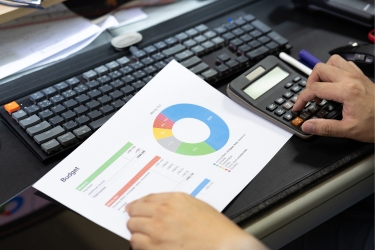
It is now more than ever necessary to review and adjust your project budget to reflect current, realistic costs. While you might not want to be the highest bidder on a construction project, you need to protect yourself from market volatility that can affect your profits. The last thing you want to do is to downplay material costs at project inception by submitting a low-ball bid. That tactic could result in cutting corners in construction methods and techniques later to offset rising material costs.
Keep the budget real and build in a buffer that allows the project to keep moving when and if prices jump. This protects you, your crews, and your client.
Strengthen Supplier Relationships
Suppliers are also in a tough spot with material shortages and rising costs. Fortifying your relationships with your vendors can lead to more inventory, consistent deliveries, and better pricing. You need trusted suppliers who will work hard to procure materials and keep you informed of potential delays and price fluctuations, based on market forecasts, well ahead of time, to avoid crises or project disruptions. Good communication with vendors will help with price negotiations and ensure materials are kept in stock when you need them.
Plan Ahead When Procuring Materials
In a volatile market, it can pay off to buy ahead and in bulk for materials you are confident you will use going forward. If you don’t have the storage space, you can negotiate with your suppliers to store the materials for you. This may result in a small storage fee or a slightly higher price, so weigh the pros and the cons.
This strategy can also help you lock in prices with your suppliers ahead of increases. While it may require an upfront investment, long-term vendor agreements can offer stability and predictability, helping manage project budgets during material price increases in a shifting market.
Adjust Your Contracts to Include Materials Increases
With fluctuating prices, your construction contract can include a plan for how contractors will manage rising construction material costs to protect you. These days, fixed pricing may not be your best strategy. Here are three contract add-ons and strategies you can consider to help cover rising material costs.
Introduce an Escalation Clause

A price escalation clause allows for contract price adjustments when material costs exceed a specified threshold. This provision helps you submit a competitive bid without using a contingency. An escalation clause covers materials increase adjustments and outlines a clear process for submitting and approving price increases, similar to a change order.
Require a Contingency
It isn’t uncommon to include a contingency in a contract to cover price increases, project delays, and scope-change overruns. Contingency funds are monies that a client sets aside in addition to the base contract. It is generally between 5 and 10% of the agreed-upon or proposed budget. It’s like an insurance policy for risks. A comprehensive contingency clause includes language covering design changes, unforeseen conditions, material and labor increases due to industry fluctuations, and construction delays beyond your control.
Use Time and Materials Models if Possible
While lump sum contracts using the construction contract index method are desirable from the client’s point of view, time and materials (T&M) contracts are your best bet for ensuring you are paid fairly in an uncertain market. In this scenario, materials costs are passed directly to the client without a markup on your end, and you bill for labor costs. This model is ideal for mitigating construction material costs and ensuring you make a reasonable profit on the project.
Use Technology to Your Advantage
Technology is a powerful tool for helping contractors manage rising construction material costs. Software programs are terrific tools for managing construction project timelines efficiently, keeping tabs on material costs, and reducing waste. Here are some useful technology solutions contractors use to reduce construction costs.
Materials Takeoffs and Estimating
Automated materials takeoffs provide more accurate quantities, enabling faster work. The most popular is Building Information Modeling (BIM). This software automatically calculates material takeoffs based on 3D models. This tool reduces estimation time and errors and allows the entire project team to share and manage data through a cloud-based platform.
Live Inventory Tracking
Tracking inventory in real time eliminates delays when materials become unavailable or are in transit. You can digitally track material levels at suppliers’ warehouses, on trucks, and at the job site. It also allows you to connect inventory receipts to purchase orders. You will know the current location, quantities, and costs all at once.
Price Tracking Software
Using a price-tracking app lets you monitor product availability and price fluctuations across competitors in real time. You will be able to see pricing patterns that can forecast the future of materials costs. You can also make quick, money-saving purchasing decisions when materials become available at an attractive price point. This is great for helping contractors deal with supply chain delays.
Embrace Alternative Materials
In today’s construction marketplace, building materials are becoming more innovative. Being flexible and open-minded is beneficial for profits and for the environment. Consider using recycled materials as much as possible, such as recycled steel, sheep’s wool, recycled concrete, and reclaimed wood. Steel is 100% recyclable. Sheep’s wool is excellent for insulation and is the byproduct of seasonal shearing. Concrete blocks can be made from used, crushed concrete. Reclaimed timbers are excellent for post-and-beam construction.
You might also consider innovative products like composite siding and decking made from wood byproducts and plastic polymers, or fiber cement. Many flooring companies offer floor tiles made with repurposed materials, such as plastic, terrazzo, and wood fibers. These newer products are readily available and offer your clients an excellent return on investment due to durability and sustainability. This is a good practice for how contractors can manage rising construction material costs effectively.
Educate and Train Teams on Efficient Work Practices
Lean construction practices are essential for improving efficiency and reducing costs. Crews are encouraged to reduce waste when working with building materials. They are also trained in best practices for a safe, efficient job site. By creating a detailed timeline/schedule available to all, you encourage your crews and subcontractors to meet expectations on a daily basis, keeping the project on track. These concepts should be top priorities for construction managers and job site foremen.
Communicate with Clients

Effective communication with clients starts with transparency from the start. You need to openly discuss rising material costs and supply chain volatility before the project begins. This will help both parties strategize in a professional, results-oriented manner, ensuring you protect your business while offering the best services and materials to your client during difficult financial times.
Conclusion
Construction material costs keep rising, creating major hurdles for contractors. It is important for construction contractors to implement cost-saving strategies early to protect profit margins. This article outlines practical, effective strategies to protect your business from price fluctuations and maintain strong client relationships. As important as good client relationships, solid bonds with trusted suppliers are necessary to ensure you are a respected customer and are offered the best prices available.
Smart budgeting with cushions, strategic procurement plans, and adequate contingency funds protects you from sudden price increases and supply chain delays. Detailed escalation clauses in contracts and open risk-sharing discussions with clients will protect your margins without breaking trust.
Using modern technology can offer excellent solutions in these uncertain times. Inventory tracking, automated materials takeoff software, and real-time price tracking save time while keeping you up to date at every stage of the project. These digital tools enable you to quickly respond to market shifts and make informed purchasing decisions.
Inflation, tariffs, and rising fuel costs will continue to affect the construction industry. However, contractors and construction managers who adopt these proactive strategies and plan ahead will ride out the market uncertainties and excel. These practical approaches will help you manage rising material costs while maintaining profitable operations and satisfied clients.
When you are preparing for your next construction project, be sure to reach out to Arcadia Sash and Door Inc. to explore our detailed products for contractors. Our company offers superior craftsmanship and quality products to ensure the best project outcome. We will work directly with you to offer the best solutions to meet your client’s budget. We are a family-owned business in the Los Angeles County area with decades of experience providing the highest-quality building products the industry has to offer. Contractors who partner with us experience the confidence that comes with excellent craftsmanship across every project. Contact us at your earliest convenience to discover more.