A cool draft near a closed window or exterior door is a good reminder to check your home's seals before winter arrives. Learning how to prepare windows and doors for winter involves inspecting for drafts and damage, cleaning frames and tracks, replacing worn weatherstripping, sealing suitable gaps, and making sure everything opens and closes properly.
You can handle many winter preparation tasks yourself, but persistent leaks, water damage, and deteriorating frames are best assessed by a professional. What you need to prepare for also depends on where you live. In Arcadia and the surrounding San Gabriel Valley, homeowners typically deal with cooler nights and seasonal rainfall instead of heavy snow or prolonged freezing temperatures.
A few targeted maintenance steps can help keep your home comfortable and protect its windows and doors throughout the colder months.
Start With a Window and Door Inspection
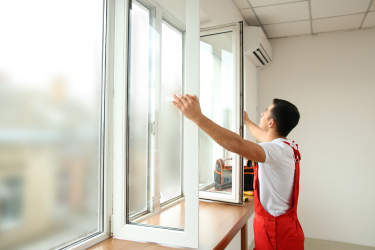
Before buying sealants or replacement materials, inspect your windows and doors to identify any areas that need maintenance or repair. This first step in winterizing windows and exterior doors allows you to spot damaged seals, problems with opening or closing, and gaps where air or moisture could enter.
Check for Drafts and Air Leaks
On a breezy day, close your windows and exterior doors, then slowly move your hand along the edges of each window sash (the movable portion holding the glass), frame, and door threshold. You can also hold a lightweight tissue near suspected gaps to check for air movement.
If you notice a draft, check where it's coming from. Air entering around a movable sash could indicate worn weatherstripping, while gaps between stationary trim and the wall could need caulking. Keep in mind that glass can feel cool even when the window seals are intact.
You don't need to use smoke-based tests to check for drafts because they can irritate your lungs or pose a fire hazard. If you still can't find where the air is coming from, have a professional take a closer look.
Look for Worn Seals, Moisture, and Damage
Inspect each window and door carefully. Pay particular attention to spots that are easy to overlook.
Look for:
- Cracked, peeling, or missing caulk around stationary joints.
- Flattened, torn, or loose weatherstripping.
- Water stains, soft wood, or peeling finishes around frames.
- Windows that stick, fail to lock, or don't close completely.
- Exterior doors with uneven gaps or difficulty latching.
Check for signs of moisture damage before seasonal rainfall begins. If an area stays damp or shows deterioration, find out what's causing the problem before applying sealant.
Winter Window and Door Preparation Checklist
Use this winter home maintenance checklist to get started:
- Inspect windows and exterior doors for drafts, moisture, and damage.
- Clean tracks, frames, thresholds, and accessible drainage openings.
- Check hinges, locks, handles, and other hardware.
- Replace worn or damaged weatherstripping.
- Caulk suitable stationary gaps using compatible materials.
- Inspect door sweeps and threshold seals for wear.
- Test windows and doors again, and note any problems needing professional attention.
Clean Windows and Doors Before Winter
Cleaning is an important part of winter window maintenance, especially before installing adhesive weatherstripping or applying new caulk. Dirt and debris can make windows harder to open and close or block drainage openings, so start by cleaning tracks, frames, and accessible door thresholds. Use a soft brush or vacuum for corners, then wipe surfaces with a cloth and a cleaning solution suitable for the material and finish.
Some windows have small drainage openings called weep holes, usually located near the bottom of the exterior frame. These allow collected water to drain, so check accessible openings for debris and follow the manufacturer's cleaning instructions. Avoid using sharp tools that could damage them.
Next, check the window and door hardware:
- Test window locks and handles.
- Check exterior door hinges and latches.
- Look for loose or damaged hardware.
- Lubricate components as recommended by the manufacturer.
Not all hinges, locks, and handles need the same lubricant, so check the manufacturer's recommendations before applying one. Let cleaned surfaces dry completely before using adhesive weatherstripping or caulk. These seasonal steps are also part of routine door and window maintenance that keeps your windows and doors in good condition year-round.
Seal Windows to Keep Cold Air Out
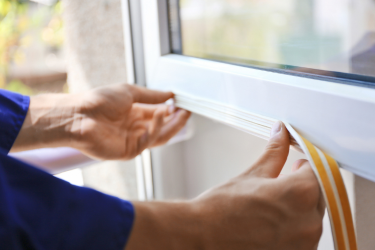
When sealing windows for winter, start by checking if the gap is around a moving part or a fixed section. Choosing the right sealing method helps prevent drafts without interfering with how your windows open and close.
Replace Worn Window Weatherstripping
Weatherstripping seals gaps where movable window parts meet the frame, but it can become compressed, cracked, or loose over time. When replacing it, choose a material that fits your window's design, since foam, rubber, and other options vary in thickness, durability, and installation requirements.
Here's a step-by-step guide to winterizing windows with damaged weatherstripping:
- Identify the existing seal and check the manufacturer's replacement recommendations.
- Remove the damaged material without harming the window finish.
- Clean the surface and let it dry.
- Measure and cut the replacement to fit.
- Install the new seal according to its instructions, without stretching or bunching it.
- Open, close, and lock the window to check that the new seal fits properly.
If the window doesn't close properly afterward, the new seal might be too thick or incorrectly positioned.
Apply Caulk to Stationary Gaps
Caulk can seal cracks and gaps around fixed window sections, including certain joints between exterior trim and surrounding surfaces. The best caulking for winter draft prevention depends on the materials being sealed, exposure to weather, and the manufacturer's application requirements.
Choose a sealant made for the window's materials and intended for indoor or outdoor use. For joints where materials expand and contract, look for a flexible sealant that can handle the movement.
Before caulking windows, remove old or damaged sealant where needed and clean the surface. Check the manufacturer's temperature requirements and allow enough time for the new sealant to cure, or fully set, as directed. Never caulk over weep holes, drainage openings, moving window parts, or exterior joints designed to let water escape.
Use Temporary Draft Protection When Needed
Removable interior window film and other temporary products can help reduce drafts during winter. They're a short-term option, though, and won't fix damaged frames, installation problems, or ongoing water leaks. Keep emergency escape windows usable and follow the product's installation and removal instructions.
Weatherproof Exterior Doors for Winter
To weatherproof doors, check the seals around the frame, the bottom gap, and the door's alignment. Replacing the door sweep won't fix drafts coming from gaps along the sides.
Inspect and Replace Door Weatherstripping
To check your exterior door seals before winter, close the door normally and inspect where it meets the frame. Look along the top and side jambs (the vertical parts of the frame) for gaps, flattened seals, loose sections, or tears.
The seals should fit snugly around the door without making it difficult to close. If they're worn or damaged, choose replacements that fit your door and frame. Remove the old material, clean the area, and install the new seals following the manufacturer's instructions. Afterward, check that the door latches without having to push or pull too hard. If it doesn't, check the new seals' fit.
Check Door Sweeps, Thresholds, and Alignment
A door sweep helps seal the gap beneath the door, while the threshold is the bottom part of the doorway. Depending on the design, the sweep or bottom seal helps close the gap between the door and threshold. With the door closed, look for daylight, worn seals, or gaps between the two. Some thresholds can be adjusted, but follow the manufacturer's instructions to avoid making the door difficult to open or close.
Check that the door sits evenly within its frame. Loose hinges or latches could be causing problems, but repeated sticking or uneven gaps can point to alignment issues. If the door keeps sticking, lets rainwater in, or has a damaged frame, have a professional inspect it instead of adding more seals.
Preparing Older and Historic Windows for Cold Weather

Preparing historic windows for cold weather takes extra care because of their older materials, glazing methods, and opening mechanisms. Start by checking wood frames and sashes for damage, loose joints, worn seals, and cracked glazing compound, which is the putty used to hold and seal glass in older windows.
Minor damage can often be repaired with suitable weatherstripping or other fixes without changing how the window looks or works. The National Park Service recommends checking each historic window's condition and repairing it when possible before choosing replacement.
Storm Windows and Larger Repairs
Storm windows add another layer of protection and can improve insulation without replacing the original windows. However, they need to suit the existing windows and the home's architectural style. Be careful with modern sealants, since the wrong product can prevent older windows from opening or draining properly and make future repairs harder.
Damaged glazing compound is usually a simpler fix when the wood sash and frame are still sound. Extensive wood decay, though, needs a closer look from a professional familiar with historic windows. They can assess whether repairs or replacement make more sense. If your home has historic designation or preservation restrictions, check local requirements before making changes.
Common Winterizing Mistakes to Avoid
Good cold weather home preparation also means avoiding mistakes that can cause problems with your windows and doors.
Keep these common mistakes in mind:
- Caulking over dirty or damp surfaces. Caulk may not adhere properly if the surface hasn't been cleaned and dried. Remove damaged material before resealing.
- Blocking drainage openings. Covering weep holes or drainage paths can trap water inside the window frame.
- Using oversized weatherstripping. Seals that are too thick can prevent windows and doors from closing or locking properly.
- Sealing operable windows shut. Never block windows needed for emergency escape.
- Covering unresolved moisture problems. Temporary draft protection won't fix ongoing leaks or damaged frames.
- Treating every cold window as an air leak. Glass can feel cold even when the window isn't leaking air.
When stopping drafts in winter, check where the air is coming from before applying any products, then test the window or door afterward. Leave hard-to-reach areas to a qualified professional instead of stretching too far or using ladders in unsafe conditions.
When Should You Repair or Replace Drafty Windows?
The cause and extent of the damage determine if a window needs repair or replacement.
Maintenance or minor repairs may be enough when:
- Weatherstripping is worn, but the sash and frame are still in good condition.
- Small gaps around fixed sections need new caulk.
- Locks, handles, or other hardware need minor repairs or maintenance.
- The window opens, closes, and locks properly after maintenance.
Professional inspection or replacement may be necessary when:
- Frames or sashes show extensive damage.
- Windows repeatedly fail to close or lock properly.
- Water keeps leaking in despite maintenance.
- Condensation stays trapped between glass panes.
- Drafts or indoor comfort problems continue after repairs.
Condensation trapped between glass panes can signal a failed insulated-glass seal. This differs from moisture on the indoor glass surface and doesn't necessarily mean air is leaking around the frame.
Fixing visible window frame deterioration can take more than replacing a seal. If the window is otherwise in good condition, replacing a damaged seal could be enough. But if several parts are damaged or problems keep returning, it may be time to consider replacement.
Get Your Windows Ready for Winter
Preparing windows and doors before colder weather arrives gives you time to fix worn seals, drainage problems, and issues with opening or closing.
Start by inspecting and cleaning your windows and doors, then use weatherstripping or caulk where needed. If problems continue after maintenance, have a professional inspect them.
Arcadia Sash & Door helps homeowners in Arcadia and the surrounding San Gabriel Valley choose windows for their homes. If you're looking to replace drafty windows, the team can walk you through the available options.