.avif)


.png)
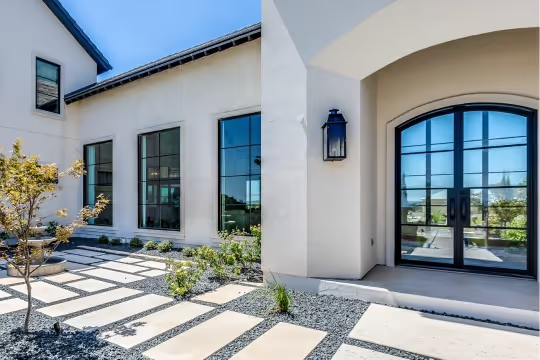
There are many reasons people replace windows, including improving curb appeal, increasing energy efficiency, and reducing noise. When it comes to how homeowners choose replacement windows for comfort, style alone isn't the most important factor. Instead, experts have to consider how windows currently operate in the house, the home's age, and the local climate to provide customers with the best materials and lasting comfort.
If you've noticed draftiness or uneven heating and cooling from outdated windows, this guide is for you. We'll explore not only when to replace your windows, but also how an expert chooses the best replacements to help homeowners like you make the best investment.
Understanding How Windows Affect Comfort
Windows aren't just a gateway to the outdoors; they're central parts of your home's climate control. Windows affect both heat loss and conservation, so they can either improve your home's temperature or make it harder to manage daily.
When it comes to year-round comfort, you have to consider windows designed for consistent indoor temperatures. These have a higher U-factor, or insulating ability, to stop heat transfer and improve your home's overall energy efficiency.
U-Factor Ratings Explained
When it comes to window U-factors, lower is better. There are three categories of U-factors for windows
- Best: 0.20 – 0.29
- Good: 0.30 – 0.35
- Low: Over 0.40
For people living in cold climates or seeking maximum insulation, a U-factor of 0.20 to 0.29 will deliver superior performance. This is because lower U-factors indicate a window design that better conserves energy. Preventing heat loss ultimately comes down to multi-pane constructions, possible gas fills, and low-emissivity coatings. In addition, windows with high U-factors often use advanced spacers that keep glass panes separated, reducing condensation and improving overall performance.
How to Choose Replacement Windows
You should prioritize ENERGY STAR® windows with a low U-factor, preferably double- or triple-paned. These windows are far superior to the types of windows that most homes were built with decades ago, and they're proven to reduce heat transfer and save homeowners money on utility costs.
Whenever you're exploring window types, look for the National Fenestration Rating Council (NFRC) label. This shows both the U-factor and the Solar Heat Gain Coefficient (SHGC). Just as with the U-factor, a lower SHGC means a window has lower heat gain and better maintains a cool temperature.
Check the Number of Glass Panes
If you're investing in new windows, strongly consider a dual (double) or even triple-pane design for maximum performance. For most homes, dual- or triple-pane windows are the best option, balancing effective noise reduction with energy efficiency.
When exploring how homeowners choose replacement windows for comfort, it's important to consider factors such as design and light penetration. Read our post on the benefits of natural lighting in your home to learn more about the difference the right windows can make.
Find the Right Frame Material

Window frames are more than visual features. The frames of a window affect its seal and insulating power; high-quality frames made from vinyl, fiberglass, or wood tend to be better at controlling temperatures than aluminum.
There are many styles and types of frames available, even when you're only working with one material, like vinyl. As a homeowner, you need to know one thing: durability should be your top priority.
Some people mistakenly think frames are only about curb appeal, so they may take something they think is "good enough" rather than invest in a quality frame that will last for decades. Unfortunately, this leaves them with frequent drafts and higher heating and cooling costs over time.
If you're curious about the best types of window frames, work with a local contractor who understands the climate and the unique style of homes in your area. Although aluminum frames are the most budget-friendly option, they're not the most energy-efficient.
When you work with a team like ours, you can get professional guidance that considers both your budget and long-term return on investment. There are many options available, so keep an open mind and be sure to ask questions about each material's durability, insulating ability, and maintenance needs.
Another important aspect to consider is window frames. These are far more than just aesthetic elements. They're core parts of your window's functionality.
Here are the four most popular window frame materials:
Aluminum
Aluminum window frames are often the most affordable, so many homeowners choose them as a budget-friendly option. They come in many styles and are easy to customize, but there's a downside: aluminum window frames conduct heat and cold, so they aren't energy-efficient.
Another important consideration for aluminum window frames is maintenance; they're more prone to corrosion from salty air, and beads of water that form on the exterior can lead to rot.
While aluminum frames can be an affordable and versatile choice for many homes, they're best suited to mild climates and not suitable for areas with extreme heat or cold.
Vinyl
Vinyl window frames are low-maintenance, fire-resistant, energy-efficient, and generally affordable, with a wide price range and a variety of styles. However, vinyl window frames can be difficult to paint or stain, so choose a design you intend to keep for the life of your window frames.
Wood
A wood window frame is classic, and it adds charm to historical or vintage homes. You can also customize wood with any paint or stain you choose. However, wood window frames do require far more care and upkeep, as they're prone to natural warping, splintering, and can rot easily.
Be sure to weigh the pros and cons of wood window frames before investing in them, as they offer good energy savings but need more maintenance.
Fiberglass
Fiberglass is durable and weather-resistant, so it has a long lifespan with little maintenance. It's also considered one of the most energy-efficient window frames. Although they cost far more upfront than other types of window frames, they last a long time and are great for reducing energy bills.
Getting the Right Windows for Your Needs
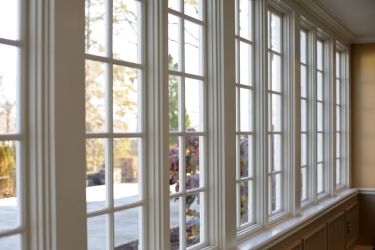
Working with a local window expert is the best way to find the best solution for your budget and home style. You can also ask a professional how homeowners choose replacement windows for comfort in your area, so you understand the benefits each material offers based on the climate and any environmental challenges.
At Arcadia Sash & Door, we know that windows play an important part in making your home feel personal. You can view energy-efficient windows for homeowners on our site to learn more and explore your options.


%2520(7).png)