.avif)


.png)

It’s important to disinfect your home regularly. This is the best way to maintain a healthy and safe living environment, especially when enduring cold and flu season. There are store-bought, chemical-based cleaning products that can quickly kill germs. However, they can be very harmful. Chemicals like bleach, ammonia, and formaldehyde can irritate the skin, eyes, and airways. Not to mention, headaches, fatigue, and dizziness are also common symptoms after exposure to chemical cleaning products. Instead, let’s discuss some natural disinfectant options that offer a safer home cleaning alternative.
Sanitize vs. Disinfect Differences
Sanitizing and disinfecting will both get rid of harmful microorganisms. However, how you do so will differ. Sanitizing usually strives to reduce bacteria to a safe level so it can’t harm you. The products used for sanitization are generally weaker than those that disinfect. Because of this, natural solutions tend to be the best choice for sanitizing your home.
Disinfecting usually kills a wider spectrum of germs, including bacteria, viruses, mold, and fungi. Natural disinfecting solutions that work well include hydrogen peroxide and alcohol.
The Benefits of Naturally Disinfecting Your Home

Non-toxic cleaning methods are often just as effective as chemicals, and in some cases, they may do a better job. They’re safe for humans and pets, making cleaning bathrooms, bedrooms, the kitchen, and play areas convenient.
Natural cleaning products tend to be versatile. You don’t have to purchase a separate product for every area you need to disinfect. This is practical, but it also saves you money. You may often have items in your pantry that you can use to disinfect your home. This includes hydrogen peroxide, essential oils, vinegar, and lemon.
Kitchen Sanitizing Without Harmful Chemicals
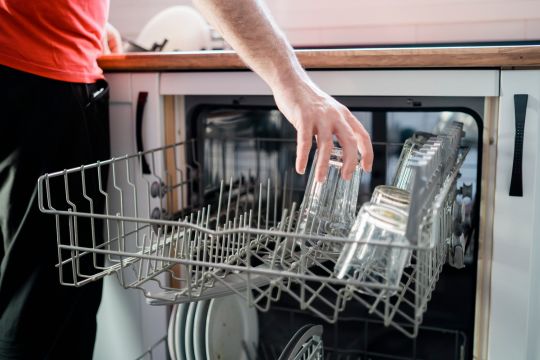
The kitchen is an area of the home that requires frequent disinfection. Countertops, refrigerator handles, and sinks are just some surfaces where bacteria can thrive. This is where you prepare food, often raw meat, fish, and other items that can spoil quickly if left out. The safe home cleaning tips you use in your kitchen need to be effective and food-safe.
Vinegar vs. Disinfectant
We’re here to help if you’re wondering how to make a vinegar cleaning spray for your home so you can utilize natural ways to disinfect your home safely. Mix equal parts vinegar and water in a spray bottle. If you spray this mixture on surfaces in your kitchen and let it sit for approximately 15 minutes, it will be effective against bacteria, viruses, mold, and more. You may want to test a small area before leaving the vinegar on for too long. It can damage certain surfaces if the mixture is too strong or left on for too long.
Lemon and Baking Soda
This is a slightly abrasive cleanser for sinks and countertops. The citric acid in the lemon will break down grease and grime while also destroying bacteria. As a bonus, your kitchen will smell fresh and citrusy. Cut the lemon in half, sprinkle a little baking soda onto a surface, and scrub away using the cut half of the lemon. Make sure you rinse the area thoroughly.
Cleaning Your Bathroom
Bathrooms quickly become an overwhelming mess, even if you just cleaned them recently. Make sure you methodically clean this area to prevent the spread of cross-contamination. In between deep cleans, wipe down countertops and empty garbage cans every few days.
Hydrogen Peroxide
You can use hydrogen peroxide cleaning solutions directly on countertops as a natural bathroom disinfectant. Again, make sure to test a small area first. This is also a great product to use on toilets, tiles, and floors. Just be sure not to mix peroxide with vinegar. These two products create peracetic acid, which can irritate airways, eyes, and skin.
Baking Soda
Baking soda works well when scrubbing the bottom of your tub or shower using natural ways to disinfect your home safely. It is unscented and has antibacterial and antimicrobial properties. Sprinkle a bit of baking soda on the surface you want to clean. A few drops of water and some elbow grease go a long way towards making your bathroom sparkle.
Living Room Comfort and Cleanliness
While your living room generally stays clean, periodic deep disinfecting is beneficial. However, be careful in this area. You don’t want to damage delicate upholstery or expose electronics to moisture.
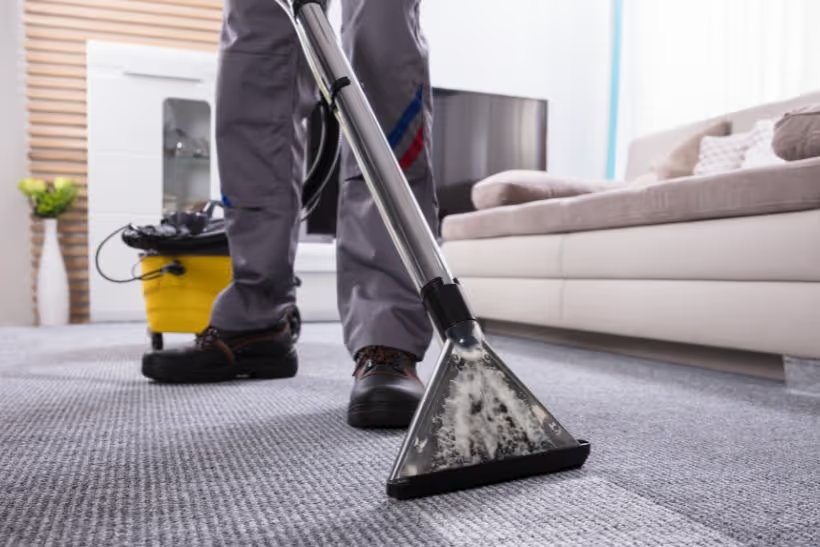
You can sprinkle baking soda on carpets and furniture. Let it sit for approximately 30 minutes, then vacuum it up. This process absorbs moisture and neutralizes bad odors.
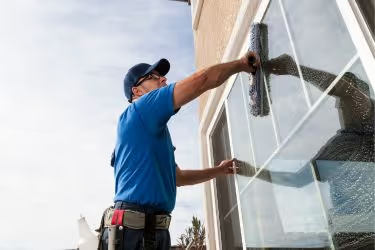
Windows and Doors
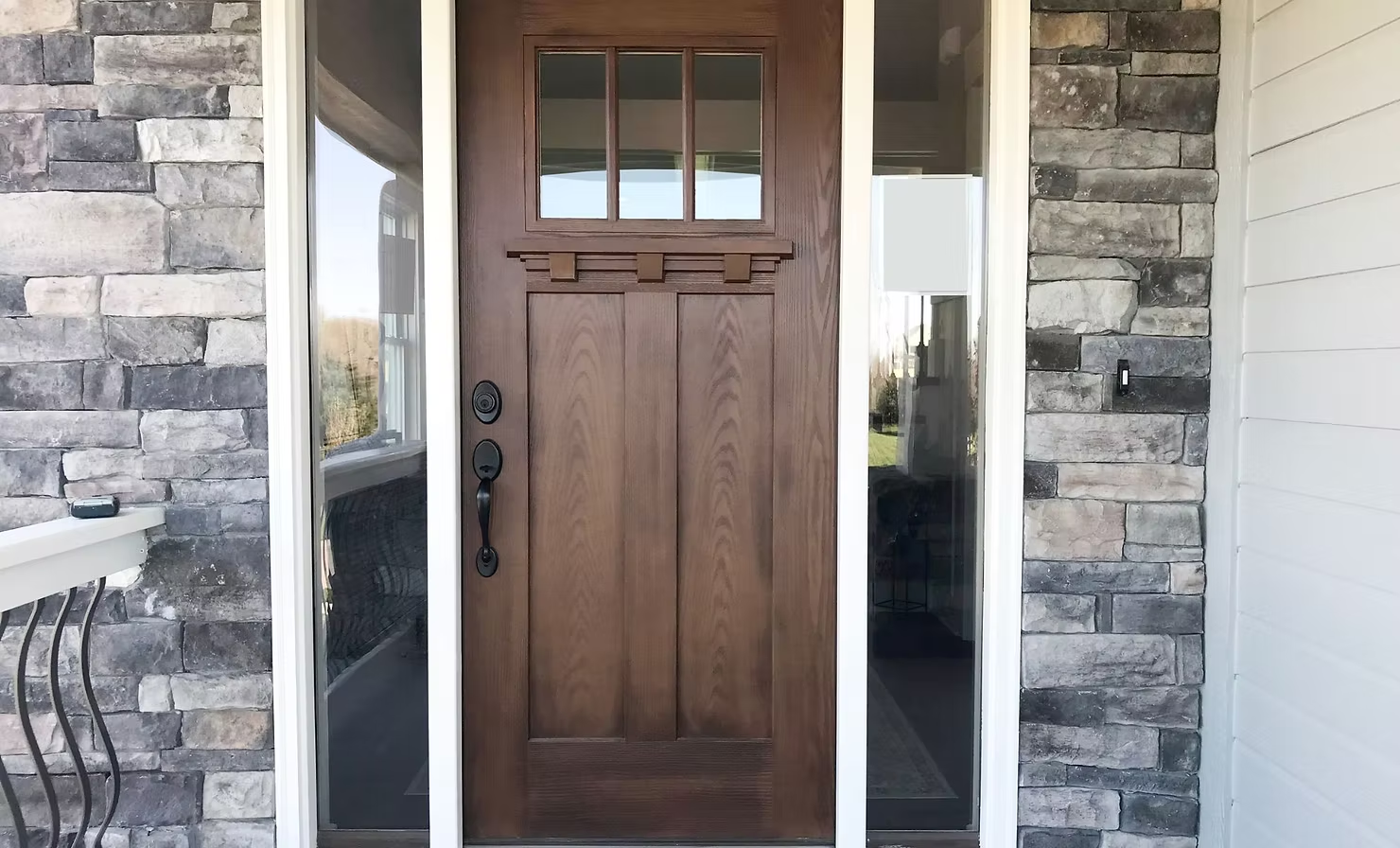
Clean and clear windows allow plenty of natural light to shine into your home. However, these surfaces can also become very dirty from handprints and pet messes. The exteriors of your windows and doors should also be cleaned. Equal parts vinegar and water work well to remove film and disinfect.
You can also create an alcohol-based DIY disinfectant for your windows, doors, and other glass surfaces. You can use it directly or dilute it with water. Invest in energy-saving doors and windows to maintain better interior comfort and efficiency.
Multi-Purpose Natural Disinfectants
If you have vodka in your home, you can create a natural disinfectant in a few minutes. Combine one cup of vodka with one cup of water. Spray this on many types of surfaces in your home, including air vents, countertops, sinks, and electronics. Just make sure that you don’t let the spray get into vents or holes in electronic devices.
Borax DIY Natural Cleaner Recipes
Borax is a naturally occurring mineral that consists of sodium, boron, oxygen, and water. It can be used as a cleaning agent but is also practical for disinfecting laundry. Simply dissolve ½ cup of borax in one gallon of hot water. Let the water temperature cool down before using it. Spray this solution on walls, baseboards, and tile floors. You can also use this mixture on your clothing to remove tough stains and germs. Ensure you use hot water when washing your clothing and bed linens to help further disinfect.
Is Tea Tree Oil Antibacterial?
Many essential oils have natural antibacterial properties. Tea tree oil is very effective against strains like Staphylococcus aureus, E. coli, and Propionibacterium. You’ll often see it used in skincare products because it keeps the skin clean and clear of bacteria that cause breakouts. You can use tea tree oil in your home as well.
When you create a multi-purpose disinfecting spray using vinegar, alcohol, or vodka, add tea tree oil. The scent is pleasant, but it will also take your product to the next level of cleaning. It’s great for bathroom surfaces, providing a fresh scent once you’re done.
Other Beneficial Essential Oils
Other essential oils are beneficial for disinfecting your home. You can swap out tea tree oil and substitute any of these options. You can also combine most essential oils to create a scent you like.
Thieves Oil
Thieves oil is a blend of clove, lemon, cinnamon, eucalyptus, and rosemary. It has a unique, warm, and inviting smell. Many use thieves' oil as a disinfectant since it’s so versatile. It can also be used in a diffuser to help purify the air when people in your home are sick.
Eucalyptus Oil
Eucalyptus oil effectively removes bacteria from a variety of surfaces, making it a common natural ingredient in cold remedies. It’s also a great essential oil to use in the bathroom or kitchen.
Lavender
Lavender essential oil contains linalool and linalyl acetate, active compounds that can kill certain types of bacteria. It is also very calming, making it a great oil for bedrooms.
Issues With Mold and Mildew
Certain areas of your home may be prone to mold and mildew growth. Areas with high humidity, like bathrooms and kitchens, are susceptible. You can use lemon essential oil to clean up and keep germs away. Add three to four drops of lemon oil to a cloth and wipe down various surfaces. This includes areas like your shower door, bathroom tile, and countertops. Lemon essential oil can also prevent the buildup of soap scum, keeping your bathroom sparkling clean.
Polishing and Disinfecting Your Wood Furniture
Instead of using chemical-based furniture polish to sparkle your home, make your own natural version. Mix olive oil with a bit of lemon juice or lemon essential oil. Apply this mixture with a soft cloth and buff the area.
You can also create your own furniture wipes using this method. Soak small squares of cloth in water, alcohol, and essential oil. If your wipes are for polishing furniture, add olive oil.

Steam Cleaning
Sometimes, you don’t need to use products to disinfect your home. Thanks to its high temperature, steam is very effective at destroying bacteria, viruses, mold, and dust mites. Most steam cleaners can create approximately 212 degrees Fahrenheit steam, which is 99.9% effective at killing germs. Many types of steam cleaners are available that come with versatile attachments for everyday use. Steam cleaning works very well on your energy-saving doors and windows. You can achieve a streak-free shine with this method.
Don’t Forget to Ventilate
Even natural disinfectants can create strong odors in your home that can irritate your sinuses and eyes. If the weather outside is pleasant, open windows and doors each day for at least 20 minutes. This promotes a healthy air exchange between the inside of your home and the outdoors. Fresh air can also help remove germs that are circulating in your residence.
Replace your HVAC filter once every 30 to 90 days. If you or someone in your home suffers from allergies, strive for more frequent changes. This can promote healthy indoor air quality.
Finding natural ways to disinfect your home safely is important for ensuring a healthy home for you and your family. Simple ingredients are often all that’s needed to achieve a sparkling residence. Whether you’re looking for a better way to disinfect as part of weekly cleaning or an illness has just passed, we’re here to help. We want to ensure you use EPA Safer Choice products and safe home cleaning tips. Contact our team at Arcadia Sash & Door, Inc. for more information. We can also provide you with support regarding energy star windows benefits.