.avif)


.png)
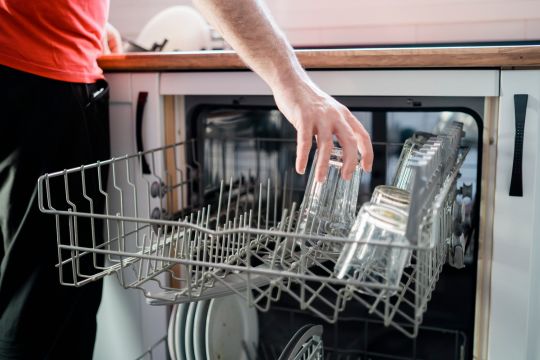
Even if your dishwasher looks clean after a cycle, grime can build up in places you may not notice right away. Food particles can collect around the filter, grease can settle on interior surfaces, and mineral deposits can form around the spray arms and other areas over time.
If you’re trying to figure out how to clean a dishwasher effectively at home, start by cleaning certain areas by hand to remove food particles and other debris before running an empty cleaning cycle. Remove loose debris, clean the filter, check the spray-arm openings, and wipe down the interior. You can then remove mineral buildup, take care of any lingering odors, and run an empty cycle using a cleaning method recommended for your dishwasher.
Designs and cleaning instructions vary, so check your dishwasher’s manual before removing parts or using products such as white vinegar or baking soda.
Start With Food Debris and Removable Parts
Empty the dishwasher before reaching for a cleaner. Pull out the racks if your dishwasher allows it to give you better access to the bottom of the tub. Look for anything that should be physically removed first. This might include:
- Loose food particles
- Labels or small pieces of paper
- Broken glass
- Other visible debris around the bottom of the tub
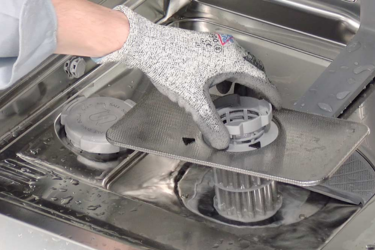
Starting with food debris removal is important because a cleaning cycle may not wash away larger pieces that need to be cleared by hand. Next, wipe around the door edges, gasket, detergent dispenser, and other accessible areas with visible grime or residue.
Clearing debris from the bottom of the dishwasher and around the filter before deep cleaning can also help prepare it for a more thorough clean. A soft, damp cloth is usually better than an abrasive tool that could scratch or damage a surface.
Pay attention to what you find while cleaning. If you notice standing water, the dishwasher is not draining properly, or you are unsure whether a part can be safely removed, check the manual before going further. The problem may need more than a thorough cleaning.
How Do You Deep Clean a Dishwasher?
It helps to follow a certain order when cleaning your dishwasher. Remove trapped food and greasy residue first, check the spray arms for blockages, wipe the interior, and then run an empty cleaning cycle.
Step-by-Step Dishwasher Deep Clean Routine
1. Empty the Dishwasher and Remove Visible Debris
Start with an empty dishwasher and remove any food particles or other debris you can see around the bottom of the tub and filter area. Clearing this material first keeps larger pieces from getting in the way as you clean the rest of the dishwasher.
2. Clean the dishwasher filter
Many dishwashers have a filter near the bottom that you can remove for cleaning, though the exact setup varies by model. Check your dishwasher’s manual to find out where the filter is located, how to remove it, and whether it is designed to be removed at all. Some filters are meant to stay in place and should not be removed for cleaning.
Once removed, rinse the filter under running water to clear away loose food particles. For grease residue or stubborn buildup, use warm water and a soft brush or cloth if your dishwasher’s cleaning instructions recommend it. Avoid wire brushes or scouring pads, as they can damage the filter.
Cleaning the filter separately helps clear the grease and trapped residue that a regular wash may leave behind.
3. Check the spray arms
Next, look at the small spray holes in the dishwasher’s rotating arms. Food particles and mineral deposits can build up around the spray holes and block the water from flowing through properly.
If you can access the holes easily, check them for visible debris. If the spray arms are removable, follow your dishwasher’s instructions before taking them out, then rinse them and gently clear any blocked openings. Avoid forcing a sharp or oversized object into a spray hole, since you do not want to widen or damage the opening.
4. Wipe the interior surfaces
Once the filter and spray arms are clear, wipe away grime from the tub walls, door edges, gasket, and other accessible interior surfaces.
Give extra attention to areas where you can see grease, food residue, or buildup. Doing this before running a cleaning cycle removes grime that is better handled by hand and gives the later cycle less work to do.
5. Run an empty cleaning cycle
Once the physical cleaning is done, run an empty cycle using the cleaning method and cycle settings recommended for your dishwasher.
White vinegar can help with dishwasher cleaning, though it may not be suitable for every model or component. For example, some manufacturers provide specific instructions for cleaning with white vinegar while cautioning against using it too often because vinegar is acidic and excessive use could damage the dishwasher.
If your manufacturer recommends vinegar, a dishwasher cleaner, or another method, follow those instructions for the amount, placement, and cycle.
6. Address lingering odors if needed
If your dishwasher still smells after you’ve cleaned away food and grease, check its instructions to see if baking soda is recommended for lingering odors. Keep this step separate from a vinegar cleaning cycle instead of mixing the two ingredients together.
If you want to learn more about cleaning with baking soda elsewhere around the home, it can be useful for more than dishwasher care.
7. Recheck the Filter and Interior Once Dry
Once the dishwasher is dry, take another look at the filter and interior for any food particles or residue that may still be there. If anything remains, clean those areas again as needed before returning to your normal dishwasher routine.
How Do You Handle Hard Water Buildup?
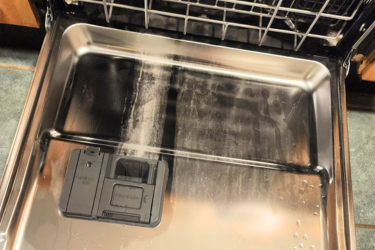
Grease, food debris, odors, and hard water buildup are different cleaning problems. If you have hard water, the minerals in your water can build up inside the dishwasher and leave a cloudy or chalky film.
Mineral deposits can build up on the inside of your dishwasher and around the spray holes, where they may eventually block the flow of water. For mineral buildup, white vinegar may help break down the deposits if it is recommended for your dishwasher. Follow the cleaning method described in your dishwasher’s instructions, since vinegar should be used in the recommended amount and location.
If mineral buildup keeps coming back, you may need to clean your dishwasher more often. For heavy buildup that is difficult to remove, check the manual for additional cleaning steps.
How Often Should You Clean a Dishwasher?
How often you clean your dishwasher depends on how much you use it, how quickly food and residue build up, and whether you have hard water. Check your dishwasher’s manual for any specific maintenance schedule.
The filter may need cleaning more often than the entire dishwasher. Manufacturers also give different filter-cleaning recommendations, which is why your owner’s manual is the best source for an exact interval.
Instead of relying only on the calendar, check the dishwasher when you notice signs such as:
- Food particles collecting in the filter
- New or lingering dishwasher odor
- Visible residue inside the tub
- Debris blocking spray holes
- Increasing mineral deposits
It also helps to periodically look over the spray arms, door seals, filter, and bottom of the tub. If you use your dishwasher every day or have hard water, you may want to check these areas more often.
Dishwasher Cleaning Mistakes to Avoid
When cleaning your dishwasher, a few common mistakes can damage parts or make cleaning less effective.
- Do not mix household cleaning chemicals. Follow the directions for one manufacturer-approved cleaning method at a time.
- Do not scrub filters, seals, or interior finishes with abrasive tools. Soft cleaning tools are less likely to cause damage.
- Do not force filters or spray arms out. Check the owner’s manual first because removal methods vary by dishwasher.
- Do not use vinegar without checking if it is safe for your dishwasher. Check the manufacturer’s cleaning instructions before using it.
- Do not rely on baking soda to remove food debris or greasy buildup. Remove what you can by hand first.
- Do not treat persistent drainage, leaking, or mechanical problems as cleaning issues. If routine cleaning doesn’t fix the problem, check your dishwasher’s instructions or contact a service professional.
Keep Your Dishwasher Cleaning Routine Simple
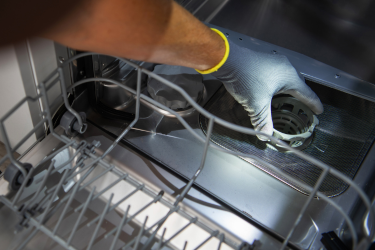
Better dishwasher cleaning comes down to working through the appliance in the right order. Remove debris first, clean the filter and spray arms, wipe the interior, and finish with a cleaning method approved for your model.
If you have any questions about cleaning your dishwasher, check the owner’s manual first, especially before using vinegar, baking soda, or another cleaner. If you’re also making small updates around the kitchen, replacing worn handles or pulls with durable cabinet hardware can give frequently used cabinets and drawers a simple refresh.