.avif)


.png)

Poor insulation is the leading cause of homes getting hotter during the summer. Windows, roofs, and walls all impact how well your house retains cool air. As window and door experts, we're often asked how installing new features can make a home more comfortable. We know how homeowners can keep their homes cooler in summer by improving the quality of their windows and doors, as well as practical tips they can follow to keep their homes more comfortable this time of year.
Why Your House Gets Hotter in the Summer

Did you know that even if your windows are closed, heat can still enter your home? This happens in one of three ways: convection, conduction, or radiation. Convection occurs when outside air "leaks" through gaps in your windows. If the window has weatherstripping, deteriorated caulking, or old frames, air can seep into your home and counteract your AC.
Conduction is when heat "transfers" through glass; as the air heats up, the window glass will too. This causes the heat to conduct through the window and radiate into your home. Radiation occurs when sunlight enters a closed window, causing its rays to pass directly through the glass.
Once the rays are inside, they come into contact with other objects, such as furniture, walls, and floorboards. The heat becomes "trapped," increasing the overall temperature of your home. Fortunately, all three of these can be prevented by using shaders.
How Homeowners Can Keep Their Homes Cooler During Summer
There are various methods homeowners can use to keep their homes cool during the summer, ranging from insulation to HVAC repairs.
Below is everything you need to know about why their homes get hotter and how they can prevent it.
Tune Up Your HVAC System
Every homeowner turns to their trusty HVAC system when it gets too warm, and the last thing you want is for it to break down. Before the summer heat arrives in full force, it's a good idea to have your HVAC system inspected by a professional. Having maintenance performed ensures your system is in good condition and can uncover hidden problems. It's highly recommended that you get your HVAC inspected before the summer season rolls in.
Clean the Air Filter
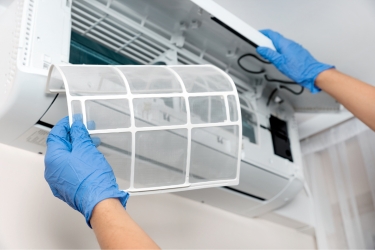
You might think this is a little odd, but did you know that a faulty air filter can heat your home? If the filter is filled with dirt and debris, it can block the airflow and cause your HVAC system to work harder. It's important to clean or replace your air filter every one to three months to ensure proper airflow and prevent costly repairs.
Upgrade Windows
Did you know that windows account 87% of a home's heat? New windows are one of the best ways to enhance your home's energy efficiency and comfort. Higher-quality windows provide better insulation, keeping your home cooler. They also block UV rays, so you don't experience rising temperatures that force your AC to run longer than it should.
Before you upgrade your windows, consider style, budget, and energy efficiency. The right solution strikes a balance between all three. At Arcadia Sash & Door, we help homeowners in California upgrade their homes with premium windows, including double-pane and casement designs. We have frames in vinyl and wood, high-tech fiberglass, and simulated divided lines for historical homes.
New windows deliver a high ROI by improving energy efficiency and increasing property value. If your windows are over 10 years old and you're struggling to keep your home cool, upgrading could help you maximize the benefits of natural lighting without excess heat.
Replace Old Exterior Doors
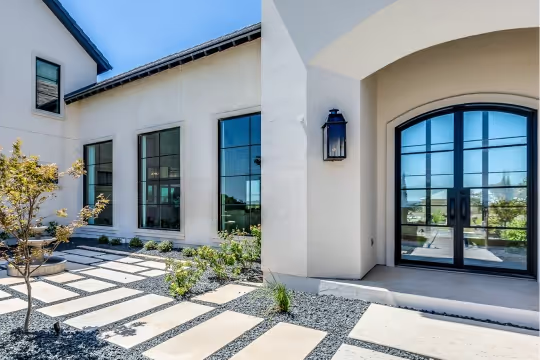
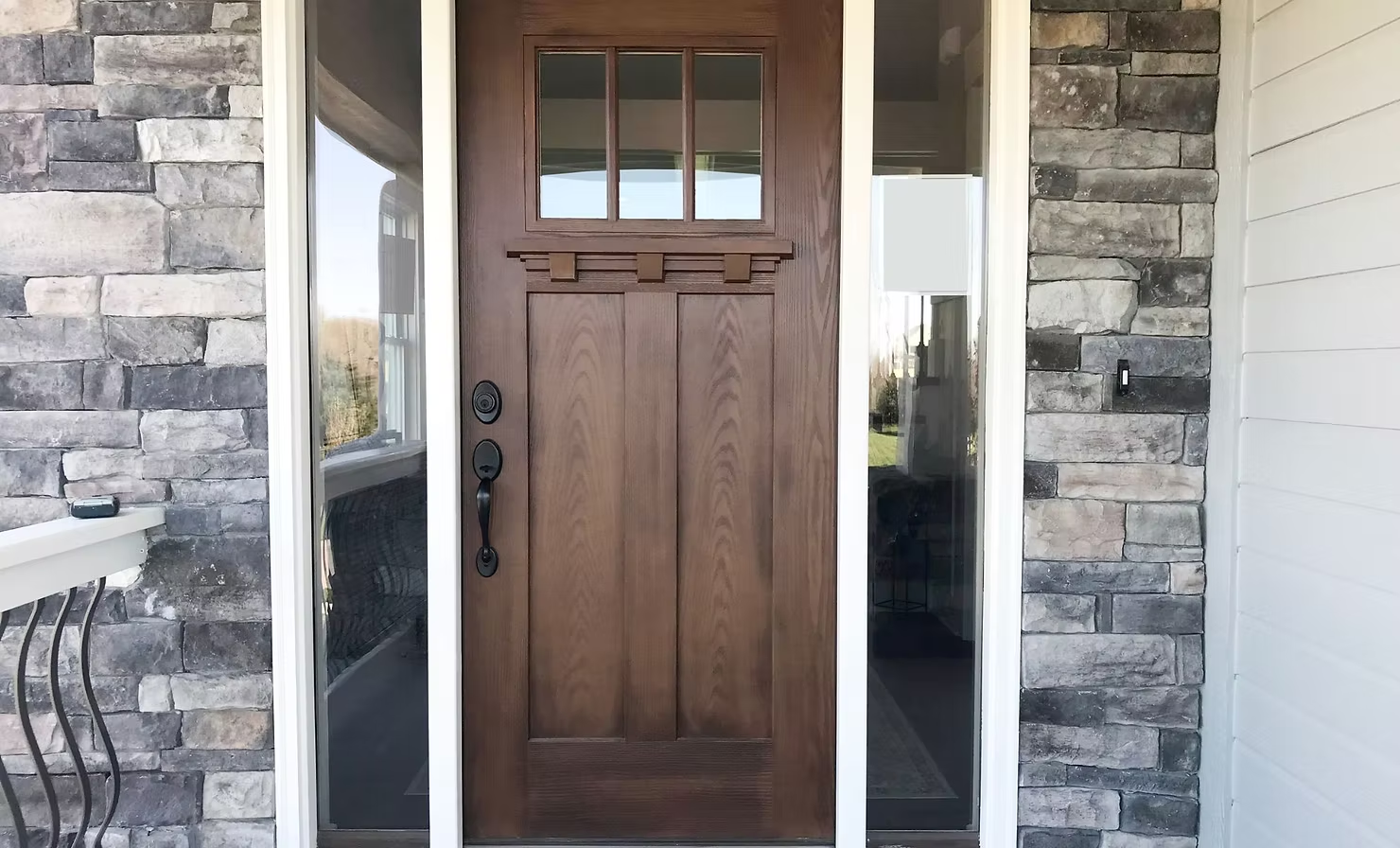
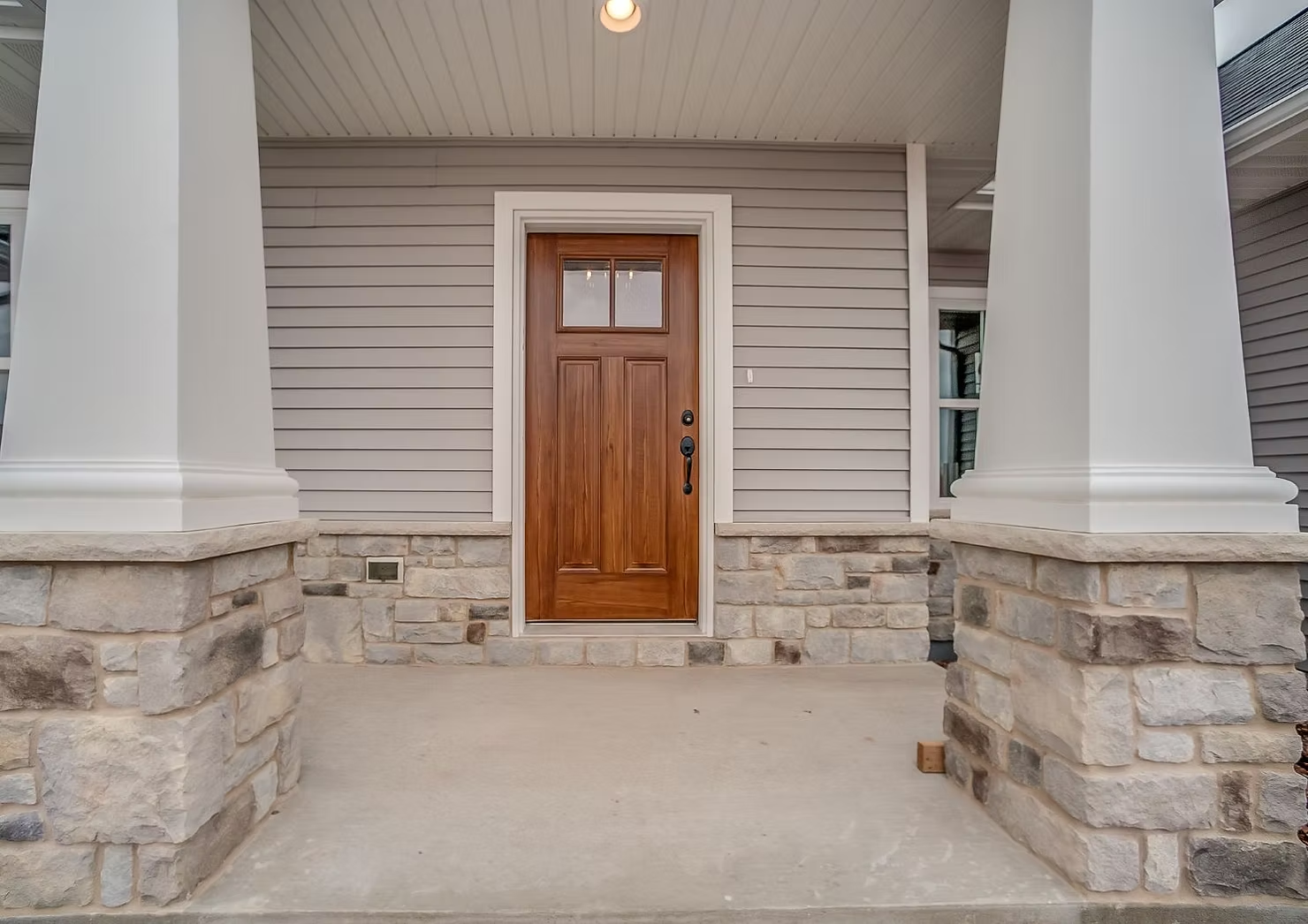
Why do doors matter when it comes to cooling your home? The answer is insulation. Quality doors are tightly sealed, so hot air doesn't sneak through cracks and under the bottom. Just as an old door can make your home drafty in the winter, it can also cause higher temperatures in the summer.
Upgraded exterior doors have better insulation that helps prevent heat transfer; instead of intense heat seeping into your home, you can rely on your new door to keep it outside.
Modern doors also feature airtight seals that prevent heat transfer and drafts year-round; their tight fittings and built-in weatherstripping automatically boost your home's protection against harsh weather conditions.
Doors with glass components can also feature low-emissivity (low-E) coatings, which reflect infrared light so you can enjoy the views without increasing the heat.
Install Strong Shades
Radiant heat from the sun can make your house feel much hotter than usual, even with the AC running. Cellular shades, also called honeycomb shades, are best for blocking the sun and keeping rooms cool. Although they're on the higher end of the price range, they use a three-dimensional system to create a strong barrier that helps keep rooms cooler. They're well worth the investment if you're looking for a long-term upgrade.
You can also install exterior solar shades to block the sun before it reaches your windows. These shades are a frontline option that come in a wide range of prices. For the most affordable option, look for shades that are made from exterior-grade HDPE shade cloth.
Make sure you install white or off-white shades rather than dark ones, as darker shades absorb more heat. You can also look for blinds or shades labeled "blackout" or "room darkening," which have thick liners to block radiant heat.
Add Plants Outdoors
Greenery isn't just visually appealing; lush landscapes can absorb heat, make your entire exterior several degrees cooler, and provide shade. Planting trees along the north and west sides of your home can block sunlight and naturally lower indoor temperatures.
Although it takes several years for shade trees to grow, they offer a beautiful enhancement to your yard and can become beloved features of your landscape. Just be sure to consult an expert before planting; trees too close to your home can invade sewer lines and cause water damage. A professional landscaper knows how to strategically plant trees to maximize their benefits without putting your plumbing or utility lines at risk.
Dense shrubs are also great for combating the heat around your home; in Arcadia, CA, California holly, lilac, Cleveland sage, and lemonade berry are great options that can insulate your yard and reduce patio temperatures.
Another option is to plant vines that can grow up walls or along trellises, providing natural shade and protection around your home. Honeysuckle is extremely resilient and can withstand temperatures up to 106 degrees Fahrenheit, while Bougainvillea is a non-native but extremely adaptable Mediterranean vine that you see often here in the San Gabriel Valley.
Consider Attic Insulation
Heat doesn't just come through doors, windows, and walls. Your home's attic is crucial to preventing rising temperatures. During peak summer in the San Gabriel Valley, your attic temperatures will soar, and without proper insulation, the heat will reach your living spaces. Adding or upgrading your attic insulation will drastically enhance your property's defense against the sweltering sun. Make sure that you look for insulation with an R-value of 38, which is the standard minimum for properties in California Climate Zone 9 under California's Title 24 Energy Code.
Use Fans Strategically
Ceiling fans are still a valuable part of your home, even if you have an air conditioner. Fans can directly influence how air circulates indoors, creating cool currents and reducing heat.
Run your ceiling fan on a medium setting, counterclockwise, during the day to create a wind-chill effect. This means you can comfortably increase your thermostat a few degrees without feeling the heat rise.
In the evenings, when temperatures drop, shut off the AC and open the windows to draw cool air in while the fans run. In the morning, you can close everything up before the heat returns. However, when Santa Ana winds kick in, it's best to keep the windows shut to prevent hot, dry air from working against your system.
How to Prioritize Your Upgrades
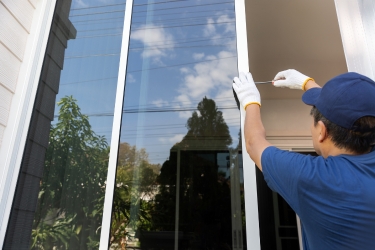
With so many options available, knowing which upgrades to prioritize can feel overwhelming.
When exploring how homeowners can keep their homes cooler during summer, it's best to start with the outside and work your way in. Windows, doors, and the roof are your key barriers against heat and offer much-needed insulation. Improving them will give you the best results in the long-term.
Next, optimize what's already in your home. Don't skip an HVAC tune-up, and replace your air filters regularly to ensure your system can cool efficiently.
Small changes add up over time, and many of the most impactful adjustments only require a low investment.
If you're considering window or door upgrades in Arcadia, CA, the team at Arcadia Sash & Door is happy to walk you through your options. View our energy-efficient residential windows to get started!